Zero End
Play Zero End
Zero End Screenshots
















Zero End review
Discover thrilling mechanics and immersive adventures in Zero End
Ever stumbled upon a game that hooks you from the first screen with its blend of strategy, visuals, and bold themes? That’s Zero End for you—a captivating title that’s got players raving about its turn-based battles and character depth. I remember my first dive into Zero End; the gacha pulls felt electric, building teams that melded perfectly into roles I never imagined. Whether you’re chasing epic storylines or optimizing your roster, this guide unpacks everything about Zero End. From core mechanics to pro tips, stick around to level up your experience and dominate the leaderboards.
What Makes Zero End Stand Out?
It was one of those 3 a.m. scrolls through the app store, you know the kind. 🕒 I was utterly burnt out on games that promised the world but delivered a repetitive, pay-to-win grind. Then, I saw it: Zero End. The art was dark, stylish, and immediately intriguing. I downloaded it on a whim, expecting another forgettable title to kill twenty minutes. Three hours later, my phone battery was screaming, and I was completely absorbed. This wasn’t just another game; it was an experience. From that very first late-night session, the Zero End game had its hooks in me, and I’ve been unraveling its secrets ever since. 🎮
What grabbed me wasn’t just one thing—it was a perfect storm. A compelling, mysterious premise, strategic depth that respected my intelligence, and a cast of characters that felt like real people with terrifying problems. If you’re wondering what all the fuss is about, let me pull back the curtain and show you exactly what makes this Zero End game a masterpiece in its genre.
How Did I Get Hooked on Zero End?
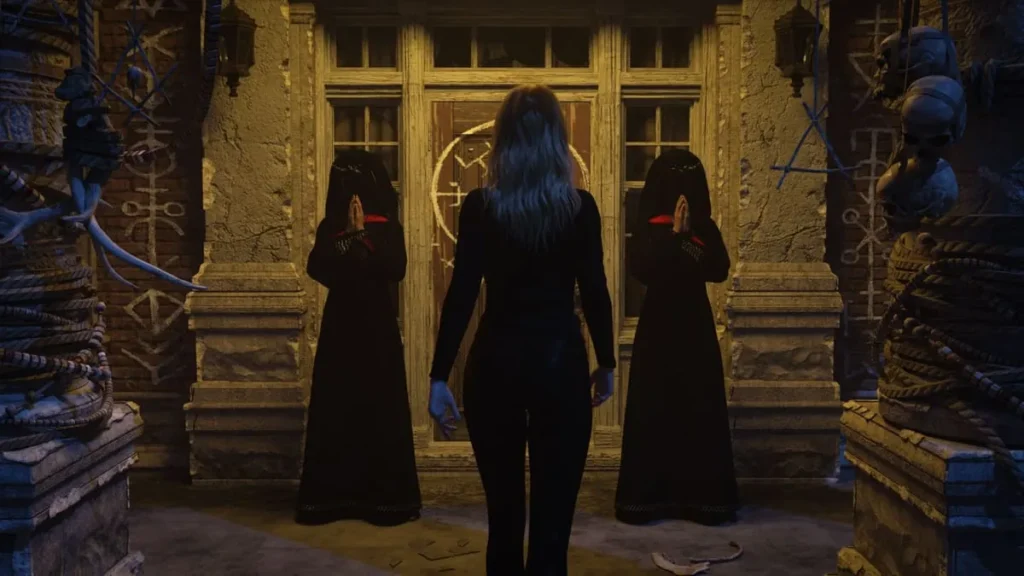
My hook was set the moment the story began. You’re thrust into a world shattered by “The Cataclysm,” a mysterious event that has blurred the lines between reality and a terrifying dreamscape filled with “Nightmares.” 😱 You play as a newcomer to the enigmatic Ark, an organization fighting this existential threat. But here’s the twist: your character isn’t some all-powerful chosen one. You’re vulnerable. The world uses a “sedative” system to stay grounded, and the line between hunter and prey is razor-thin.
The Zero End story explained in those opening minutes is less about exposition dumps and more about atmosphere and implication. You learn through haunting cinematics that use clever Dutch angles to build unease, and through visual novel-style segments where your choices genuinely matter. I remember my first major story branch, a decision that seemed minor—whether to trust a certain character’s instinct or follow protocol. Hours later, I saw how that choice rippled out, altering dialogue, changing a key encounter, and ultimately locking me onto a specific narrative path toward one of the game’s multiple endings. This wasn’t a passive story; I was living it, and my curiosity to see every outcome became a core driving force.
But a great world is nothing without a great cast. The Zero End characters are where the soul of the game resides. They’re not just collections of stats and cute art (though the designs are phenomenal). They are deeply flawed, complex individuals. Take the vector teams: you might have a stoic leader like Carlos trying to hold his unit together, a genius but socially awkward strategist like Q who sees the world in data, or a fierce and determined fighter with a hidden past, reminiscent of a Diana-inspired archetype. Building relationships with them through story events and team interactions doesn’t just unlock bonuses—it makes you care about protecting them in battle. 🛡️
Core Mechanics That Keep You Playing
Alright, let’s talk about the engine under the hood: the Zero End mechanics. At its heart, this is a turn-based strategy game, but to call it just that is like calling a symphony just noise. The genius lies in its breathtaking flexibility.
The core loop is this: You build a team of characters (or “vectors”) from your roster. Each character has a basic role, but here’s the revolutionary part—their actual function in your squad is almost entirely determined by the cards you equip them with. This “Card Optimization” system is the game’s heart and soul. 💖 One character can be a devastating single-target DPS dealer with one set of cards, a shielding support tank with another, or a hybrid debuffer with a third. There are no hard locks. This means your favorite character is never obsolete; you can always rebuild them to fit a new strategy or counter a specific challenge.
This feeds directly into the Zero End gacha system, which is one of the most fair I’ve ever encountered in a free-to-play title. While you can pull for new characters, the real treasure is pulling for new and more powerful cards. Because any character can use most cards, a single amazing card pull can empower your entire roster, not just one new unit. This makes progression feel fantastic and consistently rewarding, whether you spend or not. The game showers you with currency for simply playing through the story and events, making the how to play Zero End answer for newbies very simple: just dive in and start exploring.
And what is there to explore? Infinite content. Beyond the main story, there are rogue-like dungeons where you build a team on the fly, punishing boss rushes that test your optimized builds, escape room-style puzzles that break up the combat, and limited-time events with unique narratives and rewards. There is always, always something to do that feels meaningful and rewarding.
Pro Tip: The best early investment of your gacha currency isn’t necessarily chasing the flashiest new character. It’s building a versatile library of strong, role-defining cards that multiple characters can use.
Let me give you a practical case study from my own play. I have a mid-tier character who isn’t considered “top tier.” By focusing my card pulls and resources, I’ve built her three different ways:
* As a Main DPS: Stacking attack and critical chance cards for story missions.
* As a Support/Healer: Equipping heal-over-time and energy-generating cards for long endurance fights.
* As a Debuff Specialist: Using cards that lower enemy defense and accuracy for my guild’s boss raids.
This one character serves three distinct roles across my different teams, all thanks to the deep Zero End mechanics. This flexibility is the game’s greatest strength.
Getting started can be overwhelming, so here are my top 5 beginner tips for Zero End team building:
- Pull Strategically Early On: Use your initial currency on the standard “beginner’s banner” for the Zero End gacha system. It often guarantees a solid starting character or a powerful card.
- Focus on a Core Four: Don’t try to level everyone. Pick a main team of 4 characters with diverse potential (e.g., one you can build as DPS, one as healer, one as defender, one as debuffer) and pour resources into them and their cards.
- Synergy Over Raw Power: A team where characters’ cards complement each other (e.g., a card that makes enemies vulnerable to fire + a character with strong fire-attack cards) will outperform a team of mismatched powerful individuals.
- Complete the Daily “Operations”: This is your consistent flow of upgrade materials and gacha currency. It’s the bedrock of how to play Zero End efficiently.
- Don’t Fear the “Prediction” Choices: During story moments, you’ll sometimes get “prediction” prompts. These are educated guesses about what will happen. There’s no permanently “wrong” answer—these choices branch the story and add to your replay value. Go with your gut!
Why Zero End’s World Feels Alive
A game can have perfect mechanics and still feel sterile. Zero End avoids this pitfall by weaving its narrative and gameplay into an inseparable, immersive tapestry. The world feels alive because it reacts, remembers, and evolves.
The Zero End story explained across its chapters isn’t linear. It employs time jumps and perspective shifts brilliantly. You might play a segment from a hero’s perspective, only to later replay a key moment from a villain’s point of view, completely recontextualizing what you thought you knew. 🕰️ This method of storytelling actively engages your brain, turning you from a spectator into a detective piecing together the truth of The Cataclysm.
The visual novel segments are premium quality, with full voice acting (where it counts) and artwork that oozes style. The tension during key story beats is palpable, often amplified by clever cinematic techniques borrowed from film. I already mentioned the Dutch angles, but the use of lighting, sudden silence, and focused sound design makes every major story event feel like a climactic scene from a thriller anime.
This immersion extends to the stakes. The “sedative” mechanics aren’t just a story flavor—they sometimes translate into gameplay limitations or buffs, tying the narrative threat directly into a battle’s conditions. When a character in the story is struggling with their mental state, you might feel it in their performance in your next fight, making their personal journey yours.
Finally, the pursuit of the multiple endings gives the world incredible weight. Knowing that my choices, in both dialogue and battle, are quietly funneling me toward a unique conclusion makes every action feel significant. It creates a powerful drive to replay, not just to grind, but to uncover new facets of the characters and the profound mystery at the center of the Zero End game.
In the end, Zero End stands out because it respects your time, your intelligence, and your desire for a genuine adventure. It combines strategic depth with narrative brilliance in a way few games ever achieve. The most actionable advice I can give you is this: start with the basic gacha pulls, don’t worry about meta, find a character you connect with, and begin experimenting with cards. Your own thrilling journey into its living, breathing world is just a download away. The ultimate guide starts with your first login.
To help visualize the incredible build flexibility I talked about, here’s a breakdown of how you can shape two key Zero End characters for vastly different roles:
| Character | Role | Key Cards to Equip | Strengths | Weaknesses |
|---|---|---|---|---|
| Vector: Sentinel | DPS Build | “Focused Assault,” “Critical Catalyst,” “Finishing Blow” | Exceptional single-target burst damage, can eliminate key threats early in a fight. | Very fragile; requires protection from support teammates. |
| Vector: Sentinel | Support Build | “Energy Transfer,” “Barrier Protocol,” “Taunting Guard” | Can shield allies and draw enemy attacks, becoming a durable frontline protector. | Very low personal damage output. |
| Vector: Analyst | DPS/Hex Build | “Mental Fracture,” “Corrosive Analysis,” “Pain Amplifier” | Lowers enemy defense and applies damage-over-time hexes, shredding tough bosses. | Direct damage is low; relies on debuffs ticking over time. |
| Vector: Analyst | Pure Support Build | “Field Triage,” “Strategic Command,” “Accuracy Boost” | Provides consistent team-wide healing and increases ally accuracy and critical chance. | No offensive presence; vulnerable to being targeted first. |
Zero End has transformed my gaming routine with its deep strategy, endless customization, and gripping narratives that keep you guessing. From those heart-pounding gacha moments to mastering team synergies, it’s a title that rewards dedication and creativity. If you’re ready to jump in, grab it now, build your dream squad, and share your epic wins in the comments. What’s your go-to character build? Dive into Zero End today and experience the thrill for yourself—your next addiction awaits.