VRPorn
Play VRPorn
VRPorn Screenshots



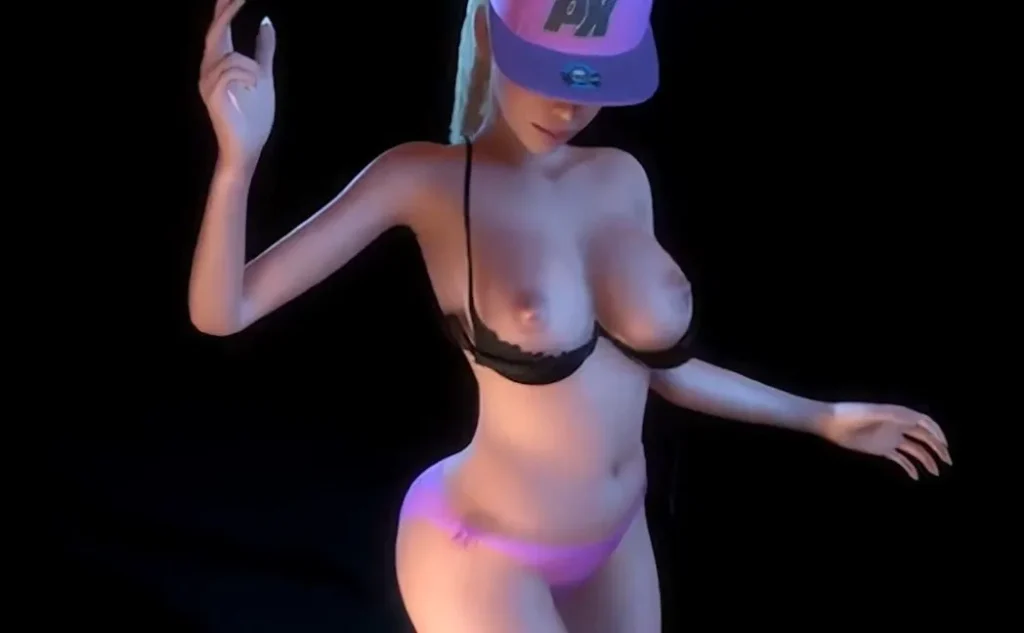

VRPorn review
Explore immersive virtual reality adult entertainment with advanced character creation and interactive gameplay
Virtual reality has transformed adult entertainment by creating immersive, interactive experiences that go far beyond traditional media. Modern VR adult gaming platforms offer sophisticated character customization, realistic physics, and responsive gameplay that adapts to user preferences. These applications represent a significant evolution in digital entertainment, combining advanced graphics technology with relationship simulation mechanics. Whether you’re curious about the technology behind these experiences or interested in understanding the features that make them engaging, this guide explores what contemporary VR adult gaming offers, how customization works, and what sets leading platforms apart in an increasingly competitive market.
Understanding VR Adult Gaming Platforms and Their Core Features
Remember that feeling of scrolling through yet another flat, predictable video? You’re not alone. For years, many of us wondered if interactive entertainment could ever break free from the two-dimensional screen and truly pull us into the story. Traditional media, no matter how high-quality, always has that fourth wall—a barrier between you and the action. You’re an observer, not a participant.
VR changes everything. It doesn’t just show you a scene; it places you inside it. This is the fundamental leap with VR adult gaming features. Instead of watching a story unfold, you become the central character in your own narrative. The difference isn’t just visual; it’s psychological, emotional, and deeply physical. It’s the difference between looking at a postcard of Paris and standing on the Pont des Arts as the sun sets. This shift from passive consumption to active participation is what makes the immersive VR experience so revolutionary. 🚀
What Makes VR Adult Gaming Different From Traditional Media
Let me share a quick story. A friend of mine, let’s call him Mark, was a total skeptic. “It’s just a gimmick,” he’d say about VR. Then he tried a well-made VR experience. He called me an hour later, almost breathless, saying, “I was there. I reached out and actually touched someone’s hand. My brain completely bought it.” That moment of genuine presence is something no traditional film can ever replicate.
The core difference lies in agency. In traditional media, the plot, the angles, the pacing—all are decided for you. In a virtual reality relationship simulator, you drive the interaction. A character looks you in the eye and asks a question. Do you respond with a joke, a compliment, or a touch? The narrative branches based on your choices. This creates a powerful sense of connection and responsibility that is entirely new.
Think of it like this:
* Traditional Media: A scripted play you watch from the audience.
* VR Adult Gaming: An improvisational workshop where you’re on stage with the actors.
This interactive layer transforms the content from something you watch into something you do. It leverages the unique capabilities of VR—head tracking for perspective, motion controllers for your virtual hands, and 3D spatial audio—to create a believable world you can literally reach into. This is the heart of interactive VR entertainment. It’s responsive, personal, and infinitely more engaging because it’s uniquely yours. 💫
Key Features That Define Modern VR Adult Entertainment
So, what’s under the hood of these amazing experiences? It’s more than just a VR headset. Modern platforms are built on a suite of sophisticated technologies that work together to sell the illusion of reality. Here’s a breakdown of the core pillars.
Character Interaction Systems & The “AI” Illusion
Gone are the days of static mannequins repeating the same three lines. Today’s systems use complex dialogue trees, mood tracking, and responsive AI to create the feeling of a real personality. A strong VR character interaction system means characters remember your previous choices, react to your virtual body language, and can exhibit a range of emotions.
In practice, this might look like a character who becomes more affectionate if you’re consistently kind, or playfully teasing if you choose flirtatious options. Their eye contact, gestures, and tone of voice all shift to match the digital scenario. This is what elevates it from a simple game to a virtual reality relationship simulator. You’re not just triggering animations; you’re building rapport with a digital entity that feels surprisingly aware.
The Magic of Physics: It’s All About Touch
If character interaction is the mind, the physics engine is the body. This is the software that governs how objects and characters move and collide. A great VR physics engine makes hair sway naturally, clothing drapes and moves with body language, and contact feels solid and believable rather than like two ghosts passing through each other.
This technology is crucial for immersion. When you go to hug a character and your arms don’t clip through their back, but instead make contact and cause a natural settling motion, your brain gives a silent nod of approval. It’s these subtle, physical validations that constantly reinforce the reality of the world. The difference between a world that feels “real” and one that feels “off” often comes down to the quality of its physics.
Unprecedented Depth of Customization
This is where your imagination truly gets to run wild. We’re talking about control far beyond choosing a haircut. Leading platforms offer sliders and options that affect nearly every aspect of your experience:
- Appearance: Sculpt faces with detailed morphs, choose from thousands of skin textures and assets, adjust minute body proportions, and apply realistic makeup.
- Fashion: Mix and match clothing items, with physics-based fabrics that move correctly.
- Environment: Set the mood by choosing or customizing your location—from a cozy apartment to a beach at sunset.
- Personality: Often tied to the interaction system, you might influence a character’s base traits, like shy, confident, or dominant.
Tip: Start your customization with the face and eyes. We’re hardwired to read emotion and intent from facial expressions, so getting that connection right first makes every other interaction more powerful.
Example: Building Your Ideal Companion
Let’s walk through how this customization works in practice. Imagine you open the creator. First, you choose a base model. Then, the real fun begins. You adjust the jawline width, the eye shape and depth, the fullness of the lips—each with a simple slider. You select a skin tone and then add blemishes, freckles, or blush for realism. Next, you pick a hairstyle, but you don’t just choose “curly”; you adjust the curl tightness, the color highlights, and even the hair’s physics weight.
Now for personality. You might select a “Friendly” base, but then add a dash of “Playful” and “Curious.” This informs how the character will greet you, the types of questions they’ll ask, and how they’ll respond to your advances. Finally, you dress them, choosing clothes that react to movement. The result isn’t just a model; it’s a character you had a hand in creating, which makes every subsequent interaction in your immersive VR experience feel deeply personal. 👤
Platform Accessibility: VR, PC, and Beyond
A huge advantage of modern platforms is flexibility. The best experiences aren’t locked to just one device.
* VR Headsets (Meta Quest 3, PC VR): This is the gold standard for presence. Using motion controllers for hand tracking, you have full 6 degrees of freedom (6DOF) to move, reach, and interact naturally.
* PC (Mouse/Keyboard): Offers the highest fidelity in terms of advanced VR graphics and rendering power. It’s perfect for deep customization and enjoying complex scenes without being limited by a headset’s battery or processing power.
* Mobile (via Emulation): Allows for basic interaction and storytelling on the go, though with significant graphical compromises.
This cross-platform approach means your journey isn’t interrupted. You can do intricate character creation on your powerful PC and then later step into that world with your VR headset for the full embodiment.
To see how some of the top platforms stack up in these key areas, let’s look at a comparison:
| Platform Focus | Core VR Adult Gaming Features | Customization Depth | Platform Compatibility | Update Cadence |
|---|---|---|---|---|
| High-Fidelity Simulation | Advanced physics, intricate personality systems, deep narrative branches | Extensive sliders for face/body, detailed skin & asset textures, clothing physics | Primarily PC VR (best graphics), some PC-only features | Major feature updates monthly, weekly bug fixes & assets |
| Mobile & Cross-Platform | Streamlined interaction, focused storytelling, optimized performance | Robust but simplified creator, preset-heavy for faster loading | VR, PC, and Mobile (via emulator) for full access | Frequent weekly updates adding scenes, clothes, and fixes |
| Standalone VR Simplicity | Hand-tracking emphasis, intuitive controls, seamless VR immersion | Solid in-headset creator tool, good range of assets | Native on Standalone VR headsets (e.g., Quest 3), PC VR optional | Regular content drops and engine optimizations |
How Advanced Graphics and Physics Enhance Immersion
You can have the best script in the world, but if the actors look like plastic and move like robots, the play falls flat. In VR, graphics and physics aren’t just about looking pretty—they’re the primary tools for building belief.
The Evolution to Next-Gen Graphics
We’ve come a long way from the stiff, doll-like models of early VR. Advanced VR graphics now incorporate:
* Subsurface Scattering: This is the tech that makes skin look real—light penetrates the surface slightly and scatters, creating that warm, lifelike glow instead of a flat, plastic surface.
* High-Resolution Textures: Every pore, freckle, and strand of stubble is visible when you get close, which you naturally do in VR.
* Dynamic Lighting & Shadows: Light sources in the room cast correct, real-time shadows. A character moving past a lamp will have their shadow move and morph naturally across the wall and your own virtual body.
* Sophisticated Animation Systems: Movements are no longer just canned loops. They use motion-captured data blended with procedural animation, so a character sitting on the edge of a bed will adjust their weight, use their hands for balance, and make small, idle movements that scream “alive.”
This visual fidelity is what helps you cross the “uncanny valley.” Instead of being distracted by graphical flaws, you’re free to be present in the moment, focused on the VR character interaction itself.
Physics: The Unsung Hero of Realism
While graphics catch your eye, physics capture your sense of touch. A sophisticated VR physics engine handles everything you often take for granted:
* Soft-Body Dynamics: The natural jiggle and weight of flesh.
* Collision Detection: Ensuring body parts and objects don’t unnaturally intersect.
* Cloth Simulation: Clothing that wrinkles, stretches, and flows with movement.
* Hair Dynamics: Hair that swings, bounces, and reacts to a character’s motion or even your virtual touch.
When all these systems work in harmony, something magical happens. The world obeys the rules you expect it to. This consistent, predictable realism is what allows your brain to let go of skepticism and fully invest in the interactive VR entertainment. It’s the final, critical piece that transforms a visual tech demo into a believable, lived-in experience. 🌌
The Role of Your Hardware
Your choice of headset directly shapes this immersion. The Meta Quest 3, with its high-resolution displays and powerful mobile processor, delivers a fantastic wireless immersive VR experience. Its full-color passthrough can even blend virtual characters into your real room for a mind-bending mixed reality session.
PC-based systems, like those using the Valve Index or powered by high-end graphics cards, push advanced VR graphics to the limit. They offer higher frame rates (smoother motion), greater render distances, and more complex visual effects, making the virtual world even richer and more detailed.
Ultimately, whether you prioritize wireless freedom or maximum graphical power, the core VR adult gaming features—the interaction, the physics, the customization—are what create that profound sense of “being there.” It’s a testament to how far this technology has come, evolving weekly with new updates that constantly refine these systems, add characters, and deepen the possibilities. This isn’t the future of entertainment; it’s a vibrant, expanding present, ready for you to step in and make it your own.
VR adult gaming represents a significant technological advancement in interactive entertainment, offering levels of customization and immersion that traditional media cannot match. These platforms continue to evolve rapidly, with weekly updates introducing new characters, features, and technological improvements that enhance realism and user engagement. The ability to customize characters extensively—from physical appearance to personality traits and independent behaviors—creates a personalized experience that appeals to diverse preferences. Cross-platform compatibility means users can engage with these experiences through various devices, from high-end VR headsets to standard computers and mobile phones. As virtual reality technology continues advancing, particularly with improved depth sensing and passthrough capabilities, VR adult gaming will likely become increasingly sophisticated and accessible. Whether you’re exploring this entertainment category for the first time or seeking to understand the technology behind it, these platforms demonstrate how VR transforms interactive experiences by combining advanced graphics, responsive AI systems, and deep customization options into cohesive, engaging entertainment.