
Turning the Page
Play Turning the Page
Turning the Page Screenshots












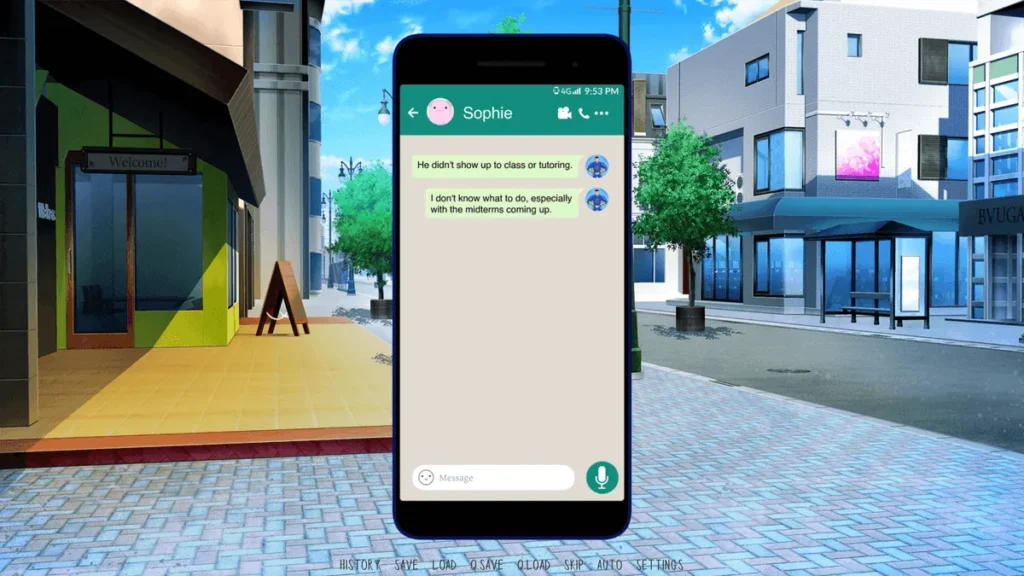
Turning the Page review
An in-depth, practical walkthrough and player-focused analysis of the ‘Turning the Page’ game
This article dives into the ‘Turning the Page’ game with a player-first perspective, offering hands-on tips, story highlights, and practical advice to help you get the most out of your experience. If you’ve heard about Turning the Page and want a clear, friendly guide that covers gameplay mechanics, progression strategies, and personal impressions, you’re in the right place. I’ll share my own anecdotes from playing the game, describe key systems, and offer actionable tactics you can use on your first playthrough.
Getting Started with Turning the Page
So, you’ve heard about this game and you’re ready to dive in. Welcome! 🎉 Starting a new game can be equal parts exciting and overwhelming. Where do you begin? What should you do first? Don’t worry—this guide is your friendly companion for those first crucial steps. We’re going to walk through everything from what this experience actually is to getting it running smoothly on your device, and what to focus on when you first hit ‘play’. Consider this your map for the opening chapter of your adventure.
What is Turning the Page and who is it for?
Let’s clear up the most important question right away: what is the Turning the Page game overview? At its heart, Turning the Page is a narrative-driven, choice-based adventure game. You don’t play as a predefined hero with a sword; you play as a person navigating a pivotal, personal story. Think of it as stepping into the pages of an interactive novel where your decisions shape the characters, relationships, and ultimate outcome. The core gameplay revolves around dialogue choices, exploring detailed environments for clues and memories, and managing a subtle resource: emotional energy.
The tone is intimate, thoughtful, and often beautifully melancholic. It’s less about frantic action and more about reflection and consequence. A session can feel like having a deep, meaningful conversation with the game itself. 🕯️
So, who is it for? If you love stories where your choices matter—games like Life is Strange or Disco Elysium—you’ll feel right at home. It’s perfect for players who enjoy getting lost in a rich atmosphere, unraveling mysteries piece by piece, and connecting with complex characters. It’s not for those seeking high-octane combat or fast-paced puzzles. This is a game for a quiet evening, a pair of good headphones, and your full attention.
From my very first minutes, I was struck by how the game establishes mood. The Turning the Page game overview wouldn’t be complete without mentioning its stunning, painterly art style and an acoustic soundtrack that perfectly underscores every emotional beat. It creates a world you want to linger in.
Installation, setup and first session walkthrough
Ready to begin? Let’s get the game onto your device. The Turning the Page install process is straightforward, but a few pointers can ensure you have the best possible start.
Turning the Page is available on PC (via Steam and itch.io), Mac, and major gaming consoles. I played on PC, and the process was a breeze. There’s no intrusive DRM or mandatory always-online account, just a simple download and play setup. Before you start your Turning the Page install, just double-check these system recommendations for a smooth experience:
| Platform | Minimum Recommendation |
|---|---|
| Windows/Mac | OS: Windows 10 / macOS 11, Processor: Intel i5, Memory: 8 GB RAM, Graphics: Dedicated GPU with 2GB VRAM, Storage: 5 GB available space |
| Consoles | Latest system software. Ensure you have about 5GB free. |
Once you’ve purchased and downloaded, here’s a quick checklist to get you set up:
- Complete the Installation: Let the download finish fully. It’s not a huge file!
- Launch and Adjust Settings: Before jumping into the story, visit the Settings menu. I highly recommend:
- Setting the Text Speed to a comfortable pace (I prefer slower for immersion).
- Enabling Subtitles—they’re beautifully integrated and help catch every word.
- Choosing your preferred Control Scheme (more on that next).
- Start a New Story: Select “New Game” and get ready. The opening cinematic is worth watching in full—it sets the stage perfectly.
Now, for the fun part: your first session walkthrough. The game opens with a gentle, integrated tutorial. It doesn’t feel like a boring lesson; it’s woven into the narrative. You’ll learn how to interact with objects, examine your inventory (which is more of a memory journal), and make your first dialogue choices.
Pro Tip: The tutorial emphasizes that there are no “right” or “wrong” choices, only your choices. Embrace this! It’s the key to enjoying the game.
Your early goal is simply to explore your starting environment—often a familiar, yet charged, location like an old family home or a quiet café. Click on everything that sparks your curiosity. The opening act is designed to be absorbed, not rushed, and typically takes 30-45 minutes. Your goal isn’t to “win,” but to understand the protagonist’s emotional state and the central mystery.
Here’s a personal anecdote from my first 30 minutes: I remember hovering over a simple choice early on: to pick up a faded photograph or leave it on the table. It seemed insignificant. I picked it up, and the game triggered an entire flashback sequence that completely reshaped my understanding of the character’s past. I was stunned. That’s when I realized Turning the Page rewards attentive, thoughtful play. Every object holds potential meaning, and rushing means missing the soul of the story. It was a powerful lesson in slowing down and engaging with the world.
Understanding the main interface and controls
Don’t let the serene atmosphere fool you—understanding the Turning the Page controls and interface is crucial to navigating the story effectively. The design is minimalist and clean, keeping you immersed in the world.
The Main Interface (HUD):
When you’re exploring, the screen is largely clutter-free. Key elements appear contextually:
* Cursor Highlights: When you move your cursor over an interactive object, it glows softly. A brief, poetic text label appears (e.g., “Frayed Bookmark,” “Echo of a Laugh”).
* Dialogue Wheel: During conversations, choices fan out in a subtle wheel. Choices aren’t labeled as “Good” or “Evil,” but often reflect tones like “Inquire,” “Comfort,” “Deflect,” or “Share.”
* Memory Journal (Inventory): Accessed with a button press, this isn’t for items but for collected memories, notes, and key phrases. Reviewing it can provide vital clues for conversations.
* Emotional Energy Bar: A subtle, almost translucent bar at the top of the screen. It depletes when you make intense emotional choices or pursue certain lines of inquiry. Letting it recharge (by choosing quieter, reflective actions) is part of the strategy.
Now, let’s talk Turning the Page controls. The game supports multiple input methods seamlessly:
| Action | Mouse/Keyboard | Controller (Xbox layout) |
|---|---|---|
| Move / Select | Left Click / Spacebar | A Button |
| Examine Object | Hover Mouse / Right Click for details | X Button |
| Open Memory Journal | Tab Key | View / Select Button |
| Pause / Menu | Escape Key | Menu / Start Button |
| Cycle Dialogue (when prompted) | Enter Key | Y Button |
I started with mouse and keyboard but actually switched to a controller partway through. There’s something about leaning back with a controller that fits the contemplative mood perfectly. Experiment to see what feels best for you! The most important Turning the Page tutorial tips often relate to these controls: take a moment in the first safe area to practice opening your journal and examining a few non-critical items. It makes the rest of the flow feel natural.
How to start Turning the Page on the right foot is about more than just clicking ‘New Game’. It’s about settling into the rhythm the game establishes. The interface and controls are your tools for reading this living book—familiarize yourself with them, and you’ll be able to focus entirely on the unfolding drama.
Your First Play: Practical Tips to Avoid Common Pitfalls
Before you go, here are a few hard-earned pieces of advice from my own playthrough. These Turning the Page tutorial tips will help you sidestep the frustrations I encountered and dive deeper into the story from the get-go.
- Talk to Everyone, Multiple Times. ☕ Characters’ dialogue options can change after you discover new memories or objects. Revisiting a conversation after exploring a room can unlock profound new paths.
- Don’t Hoard Your “Energy”. While managing your emotional energy is important, don’t be so cautious that you avoid all intense choices. Some of the most powerful story beats require you to spend this resource. It’s a balance, not a ration.
- Read the Memory Journal Entries. They’re not just flavor text. Sometimes, the clue to a person’s motivation or the solution to a subtle puzzle is hidden in the description of a memory you collected.
- Embrace the Autosave. The game saves at key moments. Don’t reload an old save just because a choice didn’t lead to an immediately happy outcome. Part of the magic is living with the consequences and seeing how the story adapts.
- Adjust the Ambient Sound. This is my personal must-do. The environmental sounds—rain, chatter, wind—are incredible. Crank them up a little relative to the music to feel truly planted in the scene.
Remember, the Turning the Page game overview is one of emotional journey and personal discovery. There’s no score, no timer. Your first session is about curiosity, not efficiency. Now that you know how to start Turning the Page, you’re equipped not just to play, but to experience. Go on, open the book. Your story awaits. 📖
Turning the Page offers a compelling mix of narrative choice and player-driven progression; this guide has walked you through initial setup, story structure, core mechanics, personalization options, and community resources to help you play smarter and enjoy more satisfying runs. Use the practical tips and personal anecdotes here as a starting point for your first playthrough, and consider trying different approaches on subsequent runs to uncover alternate outcomes. If you found these insights useful, jump in and start your next session with one of the suggested playstyles—and share your experience with the community to help other players.