
Play Sylphine
Sylphine Screenshots













Sylphine review
Discover Drama, Choices, and Characters in This Sandbox Adventure
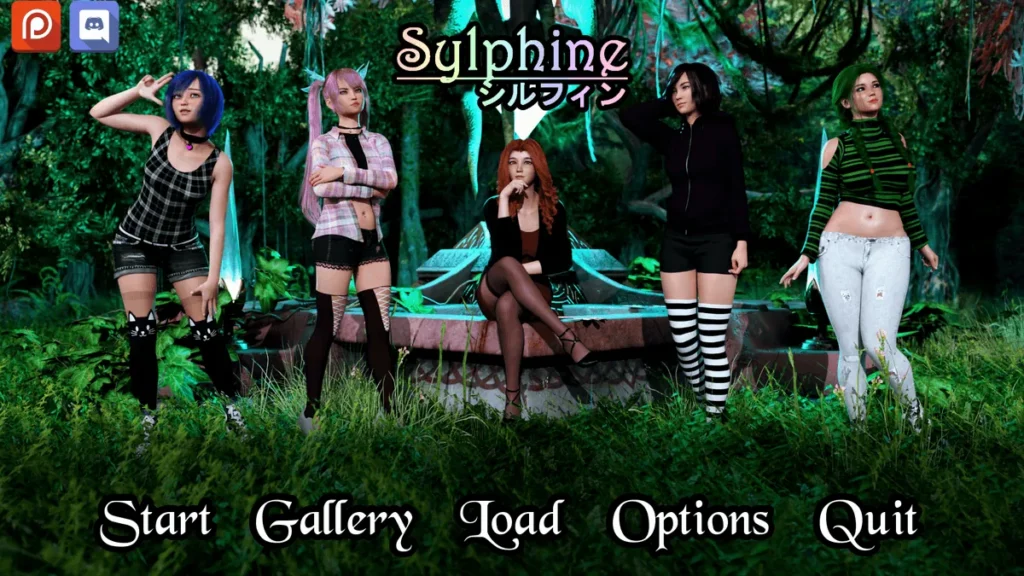
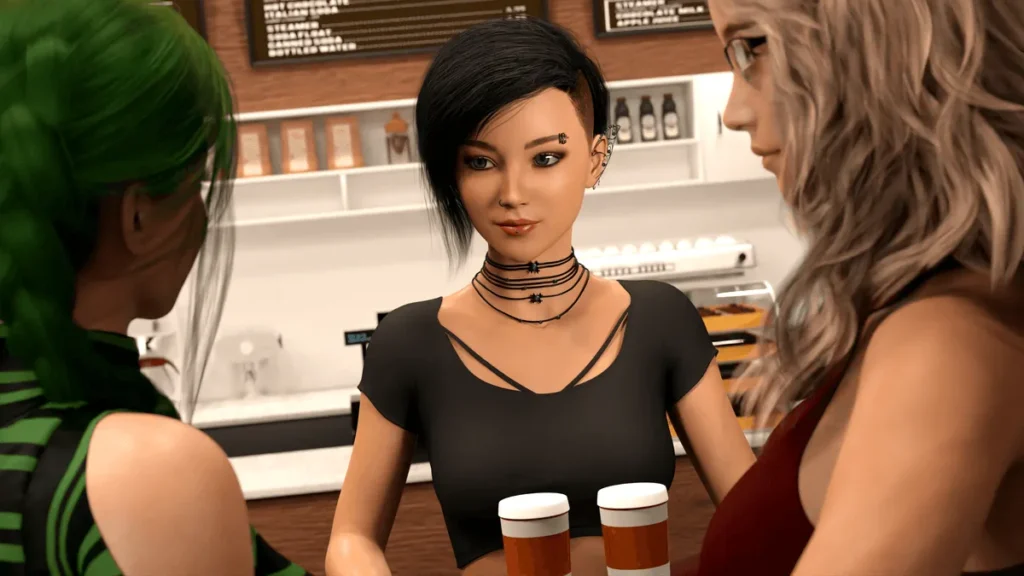
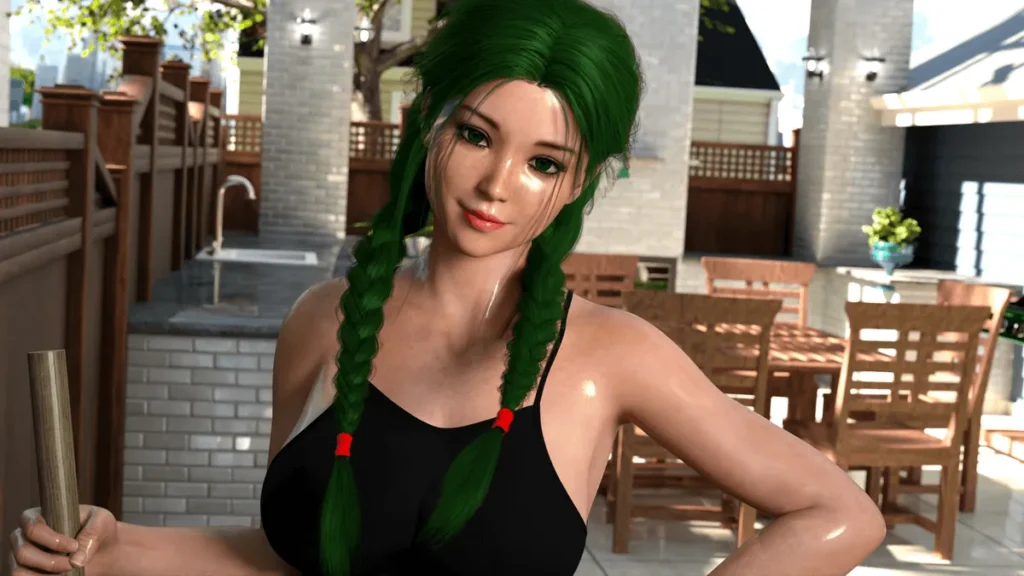
Hey there, fellow gamer—have you dived into Sylphine yet? This sandbox visual novel by Glacerose masterfully blends adult scenes, heartfelt drama, and laugh-out-loud comedy, pulling you into a world where your choices truly matter. After losing his mom young, the main character moves in with Alex, a caring social worker, and her four unique housemates: tsundere Celeste, bookish Serra, chill gamer Lillian, and sweet nature-lover Gracie. I remember my first playthrough—those branching paths kept me up all night, uncovering secrets that twisted everything I thought I knew. Stick around as we break down Sylphine gameplay, characters, and tips to maximize your fun in this Ren’Py gem.
What Makes Sylphine Gameplay So Addictive?
Let me tell you about the time I completely ruined my first date in Sylphine. 🫣 I’d spent hours building a connection with the sharp-witted Celeste, and when she finally agreed to meet up, I thought I had it in the bag. The conversation turned to future plans, and I, trying to be supportive, chose what I thought was a charmingly ambitious option. Big mistake. Her expression cooled instantly, the date ended awkwardly, and I later discovered my choice clashed with her hidden fears about pressure and expectation. It wasn’t a “good” or “bad” choice—it was a wrong-for-her choice, and it locked me out of her storyline for that entire playthrough.
That moment, frustrating as it was, perfectly captures why Sylphine gameplay is so compelling. It’s not about following a set path to a guaranteed ending. It’s about navigating a living, reactive world where every word and action ripples outwards. The core of this experience is a masterful blend of narrative choice, deep relationship mechanics, and an evolving sandbox to explore. Let’s break down exactly what makes Sylphine gameplay so addictive.
How Choice and Consequence Systems Shape Your Story
Forget binary morality meters. The Sylphine choice system is a web of nuanced, character-driven decisions. A sarcastic quip might amuse the rebellious Gracie but deeply offend the more reserved Elara. Agreeing to help one character might inadvertently slight another who sees them as a rival. There are rarely simple right or wrong answers, only choices that align with the personalities and values of the people around you—and with your own evolving persona.
These choices create meaningful narrative branches. Early decisions can open up or seal off entire locations, side-quests, and character arcs hours later. I once skipped a seemingly minor errand for a secondary character, only to find out much later that they held a key piece of information I needed to peacefully resolve a major conflict. Without them, I was forced into a confrontation. This complexity demands engagement; you’re not just picking dialogue, you’re learning the world’s logic and the characters’ hearts.
The system is beautifully supported by Sylphine RenPy features, which make tracking these threads part of the fun. The updated quick menu (more on that later) and clear save/load functions are essential because Sylphine is built for replays. The true richness of the story isn’t visible in one go. You need to see how different choices butterfly-effect into wildly different outcomes—like my disastrous date that, on another playthrough with different prior choices, became a heartfelt bonding moment.
Mastering the Affinity and Relationship Mechanics
This is where Sylphine truly shines. Every major character has a hidden affinity meter that tracks your relationship. It’s not just a “like” meter; it’s a multidimensional gauge of trust, respect, romance, and even fear. The Sylphine affinity mechanics are mostly hidden from direct view, but their influence is everywhere. High affinity with Celeste might unlock her vulnerable backstory scenes, while a strong competitive affinity with Gracie could lead to exclusive challenge-based events.
You “read” these meters through the characters’ reactions. A character folding their arms, looking away, or their dialogue text taking on a colder tone are all clues. Thankfully, the game provides a brilliant tool: the relationship status button on the textbox. Clicking it gives you a prose description of where you stand (e.g., “Celeste sees you as a confident ally, but your last remark puzzled her”). It’s narrative feedback, not a number, which keeps you immersed.
Let me give you a case study. In one playthrough, I focused solely on Elara. I consistently chose calm, analytical, and supportive options. I attended her science club events, even when it meant missing parties. Slowly, her polite demeanor warmed into genuine friendship, then something more. This high affinity unlocked a stunning, quiet scene of her explaining the constellations that wasn’t available on my more chaotic, spread-the-love playthrough. It felt earned and deeply personal.
To visualize how these systems interconnect, here’s a breakdown of key Sylphine gameplay features:
| Gameplay Feature | Narrative & Gameplay Impact | Player Tip |
|---|---|---|
| Dialogue Choices | Directly shifts character affinity, reveals hidden plot details, and can trigger skill checks for alternative paths. | Pay attention to character personalities. A “funny” choice isn’t universally funny. |
| Major Decisions | Can open or close entire story arcs, locations, and determine final outcomes for multiple characters. | Save before big story moments. Their consequences are often far-reaching and irreversible. |
| Affinity System | Governs access to exclusive scenes, romantic routes, special dialogue, and character-specific help in crises. | Use the relationship status button frequently to gauge your standing. Focus on 1-2 characters per run for deep arcs. |
| Skill Checks | Offers alternative solutions to problems (e.g., using Intelligence to bypass a physical obstacle) based on your stats. | Specialize your character’s skills if you want to see specific, non-violent, or clever story resolutions. |
Exploring Sandbox Features and Updates in Sylphine
So, how does Sylphine sandbox work? 🤔 Think of it as your personal stage within the world. You’re not on rails from scene to scene. Instead, you often have a map or menu of locations—the school, the park, the mall, character homes—that you can visit freely. Time may progress as you move, and your choice of location determines who you meet and what events you trigger. This freedom is central to the Sylphine gameplay loop: explore, interact, make choices that boost affinities, which unlock new locations and scenes, which lead to more exploration.
The recent Sylphine updates v0.24 have massively polished this experience. The interface rehaul is a game-changer. Navigation is smoother, and the new persistent quick menu at the bottom of the screen (with save, load, preferences, and a crucial AUTO button) makes managing your adventure seamless. The AUTO feature is perfect for letting beautifully crafted scenes play out without click fatigue.
This update also expanded the world itself, adding new locations to discover. With over 10+ areas now available across updates, there’s always a reason to poke around a new corner. Furthermore, Sylphine updates v0.24 included critical tweaks to the Sylphine choice system and Sylphine affinity mechanics, with reworked dialogues for Celeste and Gracie to make their responses even more nuanced and consistent. Remember, the game is in early alpha (Win/Linux/Mac/Android), so bugs can occur, but the changelog shows a dedicated focus on refining these core systems.
The sandbox empowers a fantastic progression loop. Your choices in the sandbox directly feed the affinity mechanics, which in turn unlock new sandbox possibilities. It’s a satisfying cycle of cause and effect that makes every playthrough feel uniquely yours.
My top tip for your first run? Don’t try to see everything. The beauty of Sylphine is in the curated experience. Let your natural choices guide you, follow the characters you genuinely like, and see where that singular story takes you. Then, reload and make different mistakes, chase different hearts, and watch the story transform.
To truly master the addictive Sylphine gameplay, keep these practical steps in mind:
* Save Often and in Multiple Slots. Before every major decision and when entering new locations. You’ll thank yourself when you want to backtrack and explore a “what if” scenario.
* Embrace the Replay. Your first playthrough is just one story. Plan for at least 2-3 runs to experience different character arcs and major plot outcomes.
* Use the Relationship Button. It’s your best window into the hidden Sylphine affinity mechanics. Check it after key conversations to understand your impact.
* Focus Your Affinity. On a given playthrough, dedicate your efforts to building a deep connection with one or two characters to unlock their most exclusive content.
* Read the Changelog. Especially with Sylphine updates v0.24 and beyond, notes often hint at new interactions, fixed bugs, and expanded content you won’t want to miss.
The magic of Sylphine is that it gives you the tools to tell your own story within its rich world. It’s a sandbox of relationships and consequences, constantly refined through updates, and powered by RenPy to deliver an intimate, personal adventure every single time. Now go on—your choices are waiting. ✨
There you have it—Sylphine isn’t just another visual novel; it’s a playground of choices, deep relationships, and surprises that keep unfolding. From Alex’s warm household to the quirky dynamics with Celeste, Serra, Lillian, and Gracie, every decision crafts your unique tale packed with drama, laughs, and steamy moments. My own journeys through its branches taught me patience pays off in spades. If you’re craving an immersive sandbox experience, grab the latest version, experiment boldly, and share your wildest story paths in the comments. Dive in today—what ending will you chase first?