Strange Nights
Play Strange Nights
Strange Nights Screenshots
Strange Nights review
Dive into the gripping tale of time twists and campus intrigue in this captivating visual novel
Ever stumbled into a game that hooks you with a wild time-travel twist and steamy campus drama? That’s Strange Nights for you—a Ren’Py visual novel where you play Mark Jefferson, a college photography teacher wrongfully jailed, only to rewind time with bizarre powers. I remember my first playthrough; heart racing as choices piled up, empathy versus dominance points deciding every sultry encounter. This guide unpacks everything from story hooks to hidden scenes, perfect for fans craving Strange Nights insights. Whether you’re new or replaying, get ready for polished renders, smooth animations, and relationships that keep you up all night.
What Makes Strange Nights a Must-Play Visual Novel?
I was scrolling through a forum late one night, looking for something quick to play, when I stumbled upon a post about Strange Nights game. The description was cryptic: a teacher, a jail cell, and a second chance. Skeptical but curious, I downloaded Strange Nights v0.7.1. An hour later, my screen went dark, and I just sat there, completely hooked. 🕰️ That’s the power of a well-told story, even in a compact package. This isn’t just another visual novel; it’s a fascinating experiment in consequence and desire, wrapped in a polished Ren’Py engine that makes every choice feel heavy.
What got me wasn’t just the premise—it was the immediate “what if?” that gnawed at me. What if you could rewind your worst moment? What if you could approach life with a completely different attitude? In that first hour, Strange Nights poses these questions and hands you the remote control to find out. Let’s dive into what makes this hidden gem so compelling.
How Does the Time-Travel Plot Twist Your Choices?
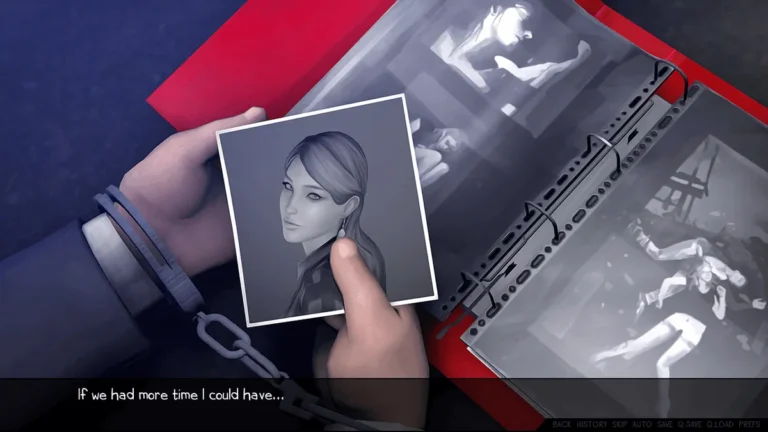
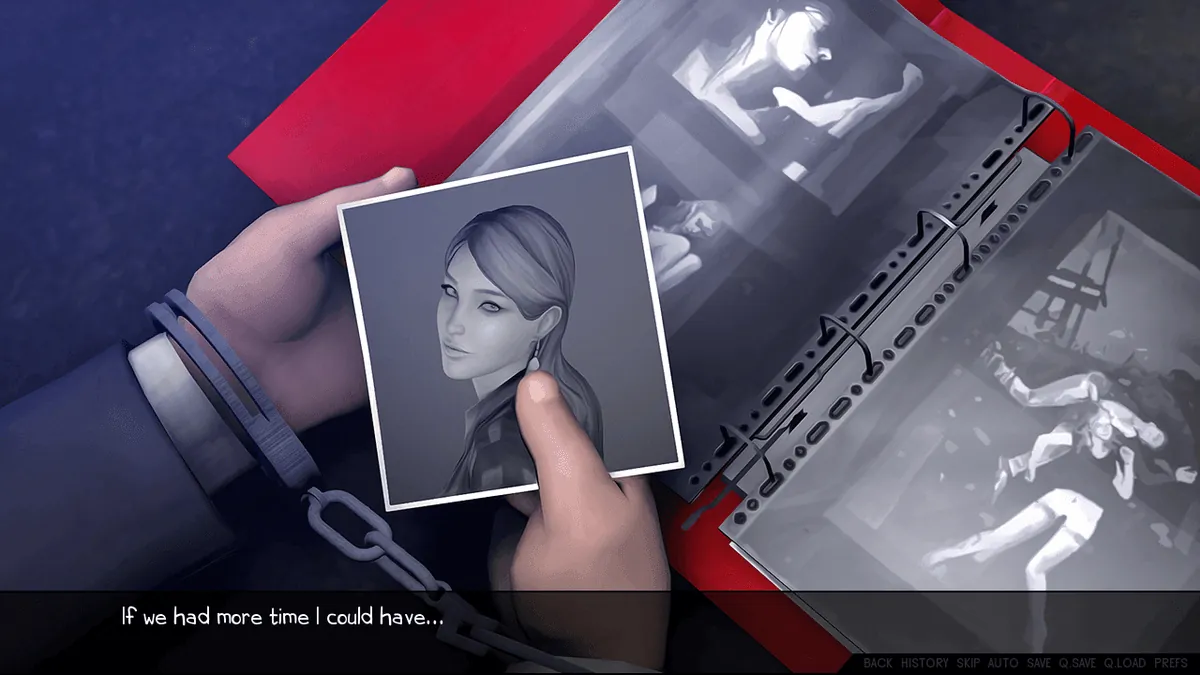
The hook of Strange Nights is deliciously simple yet profound. You don’t start as a hero; you start at rock bottom. You play as Mark Jefferson Strange Nights, a college teacher waking up in a jail cell, haunted by a cascade of poor decisions that ruined his life. Then, you’re given a gift (or perhaps a curse): the power to rewind time. ⏪
This isn’t just a narrative reset button. It’s the core gameplay loop. You return to the pivotal days before your downfall, but now with the foreknowledge of what not to do. The genius here is how it reframes every interaction. That casual chat with a student isn’t just small talk—it’s a branching path in your new timeline. A stern word to a colleague isn’t just office politics; it’s a variable in your survival equation.
The Strange Nights game uses this premise to explore altered realities. Your goal isn’t just to avoid jail; it’s to craft a better, perhaps more thrilling, life. Will you be the compassionate mentor everyone loves, or will you seize control of your narrative with a firmer hand? The time-twist means you can literally see the immediate results of a “bad” choice, rewind, and try a different approach. It makes you feel powerful and paranoid in equal measure, constantly wondering if the path you’re on is the “best” one. This mechanic elevates the standard visual novel format into a personal puzzle of social dynamics and fate.
Why Are the Character Models and Renders So Addictive?
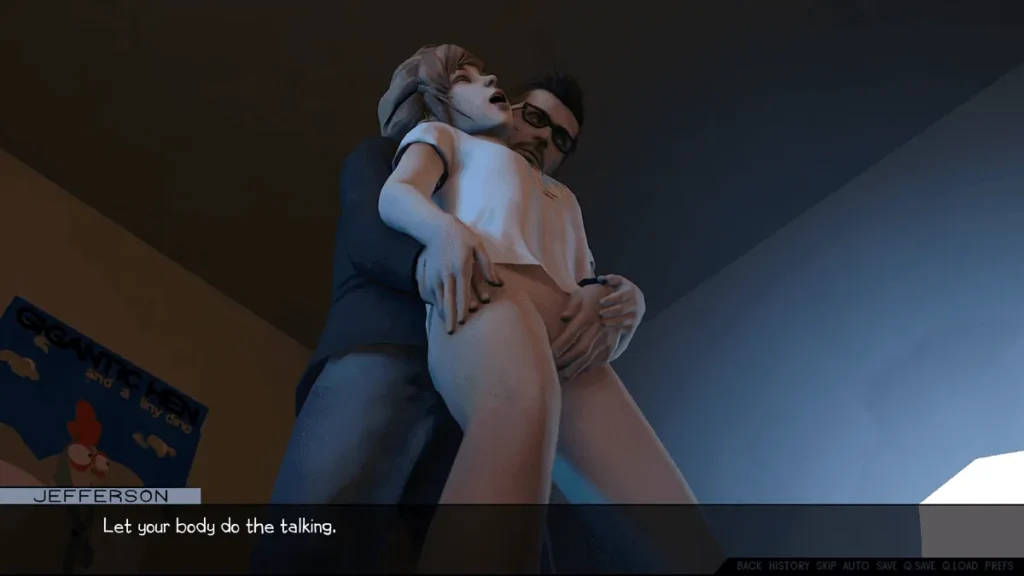
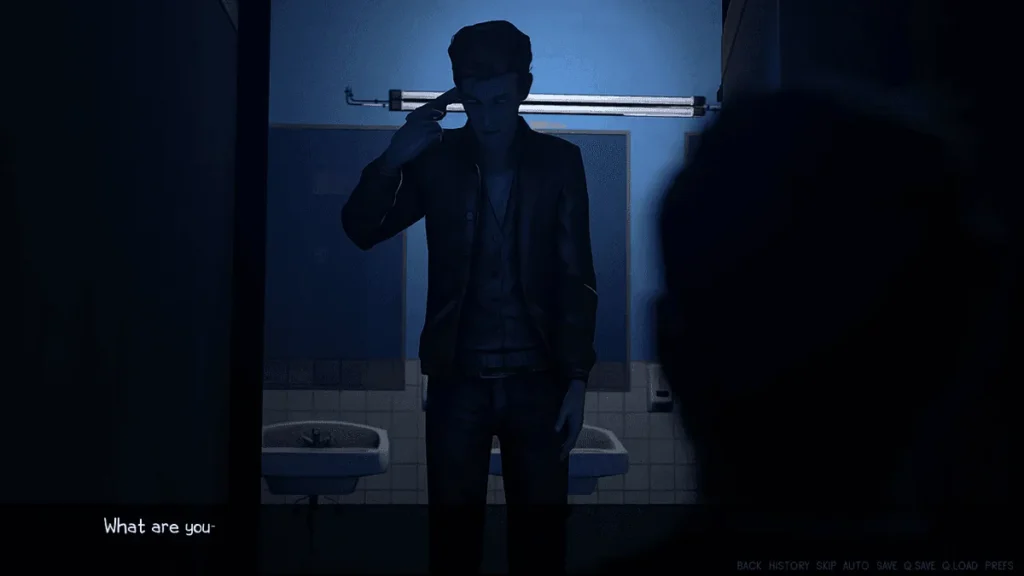
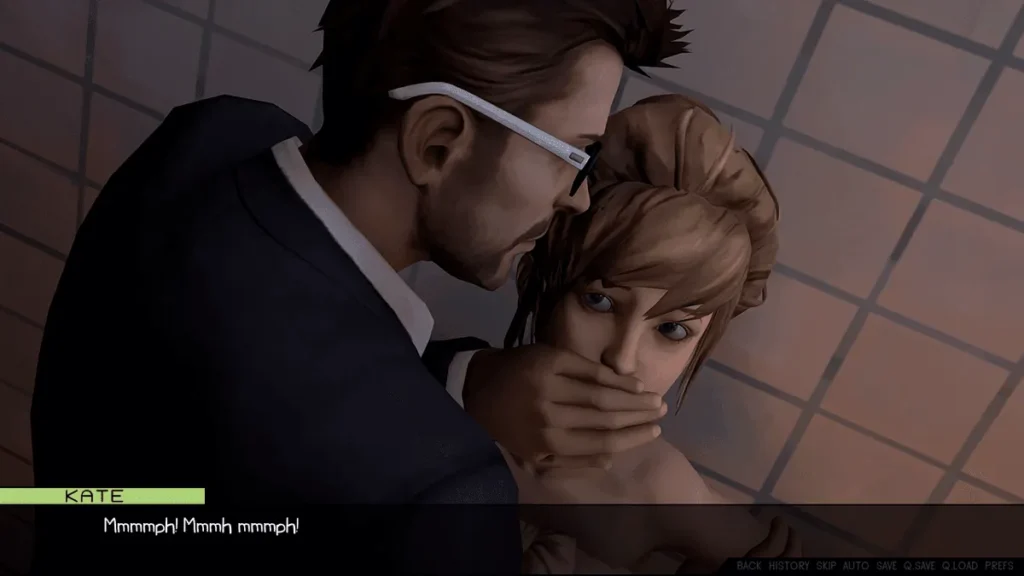
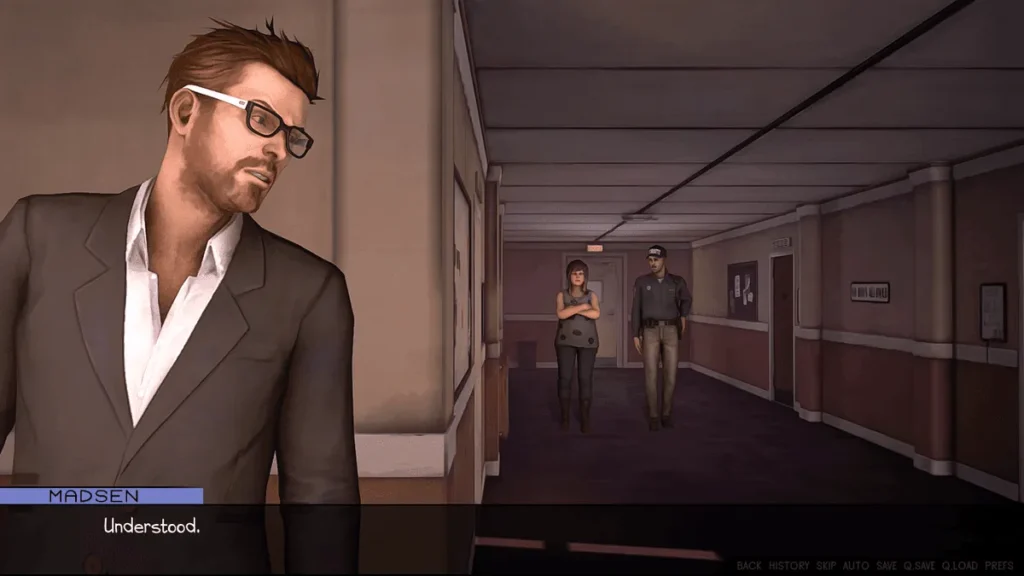
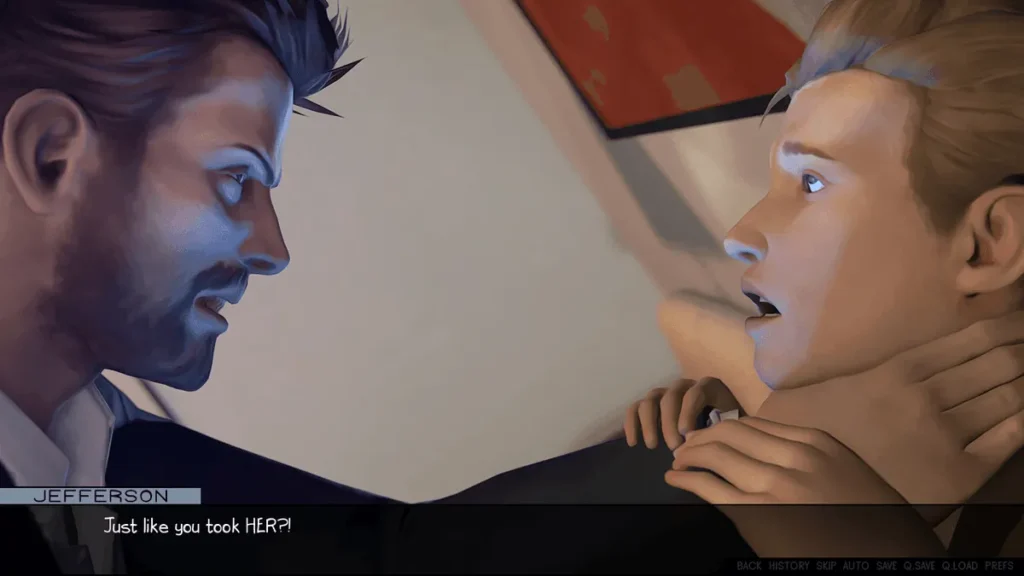
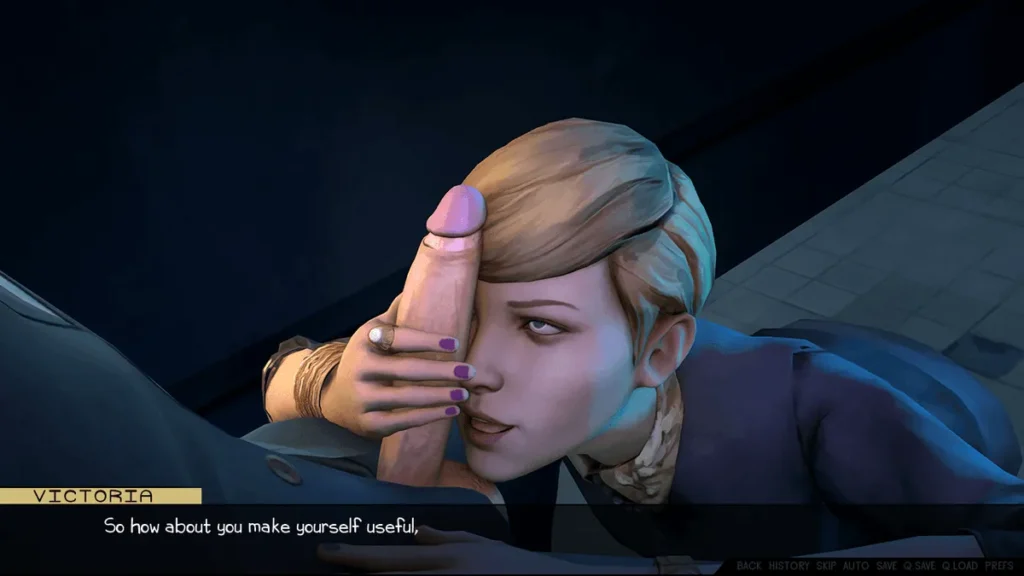
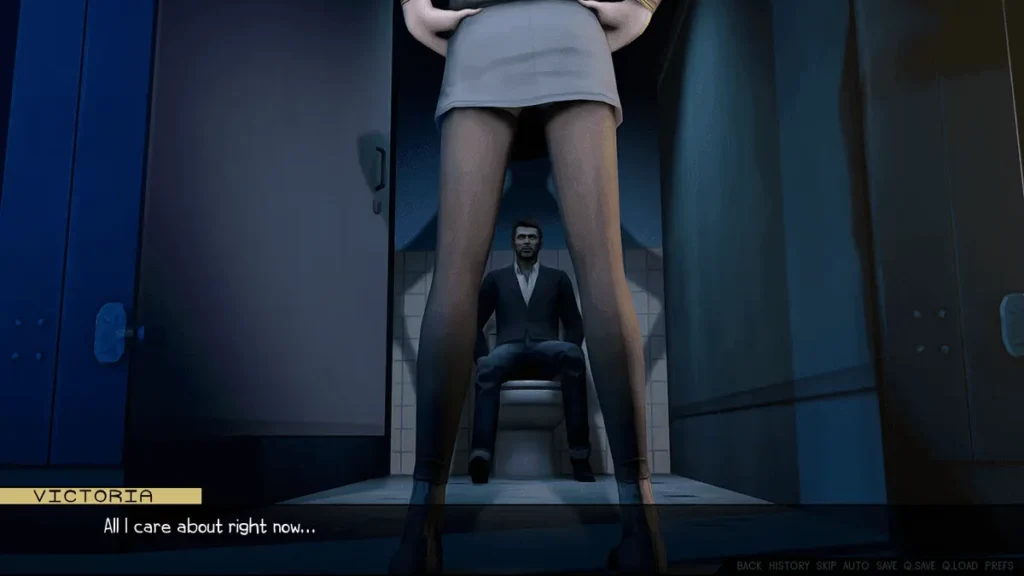
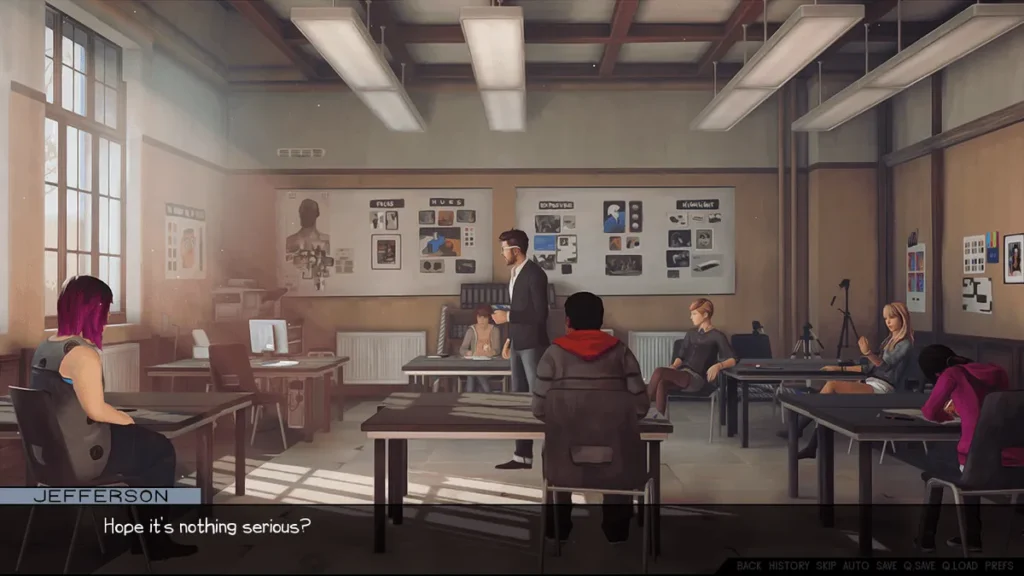
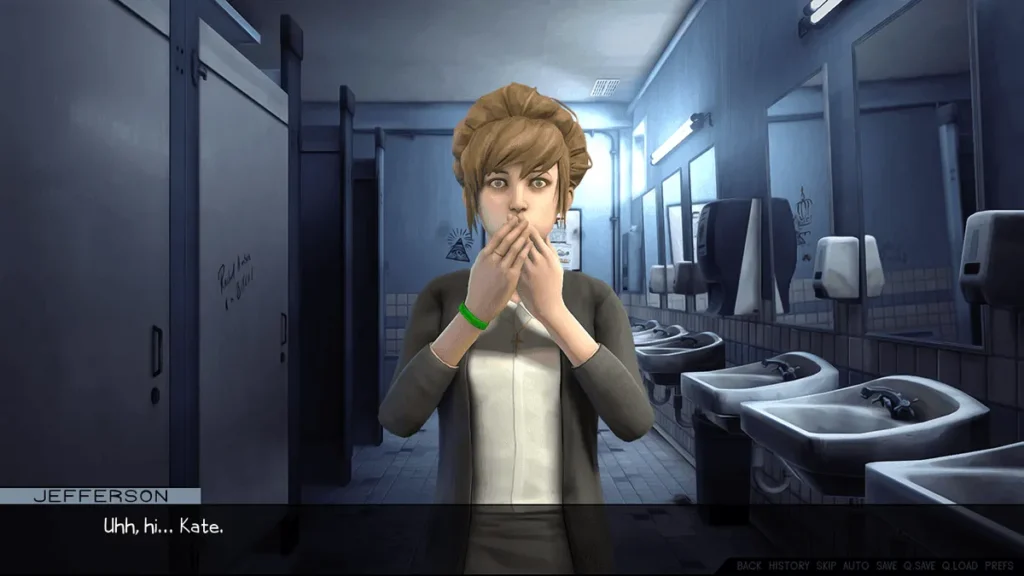
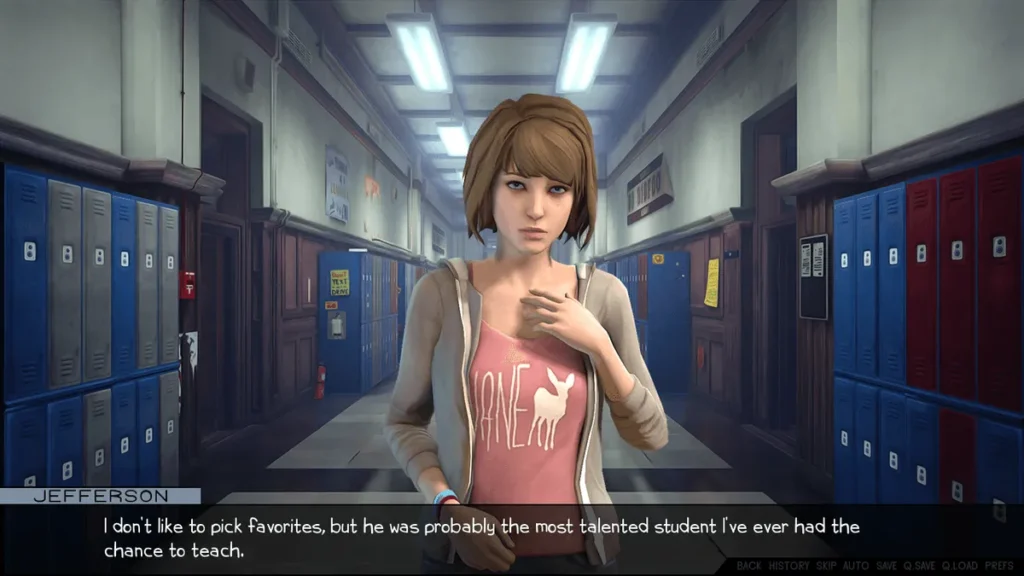
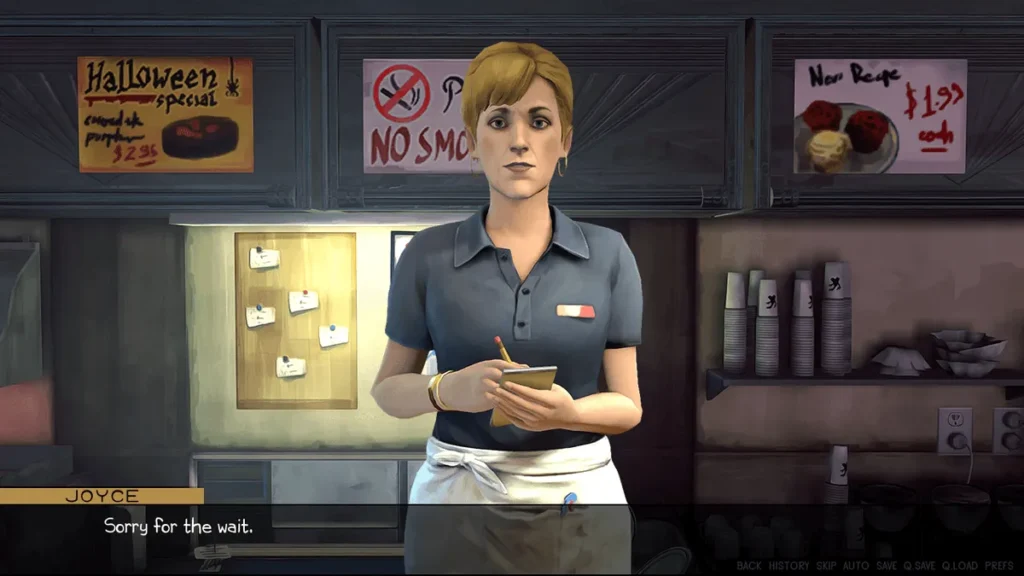
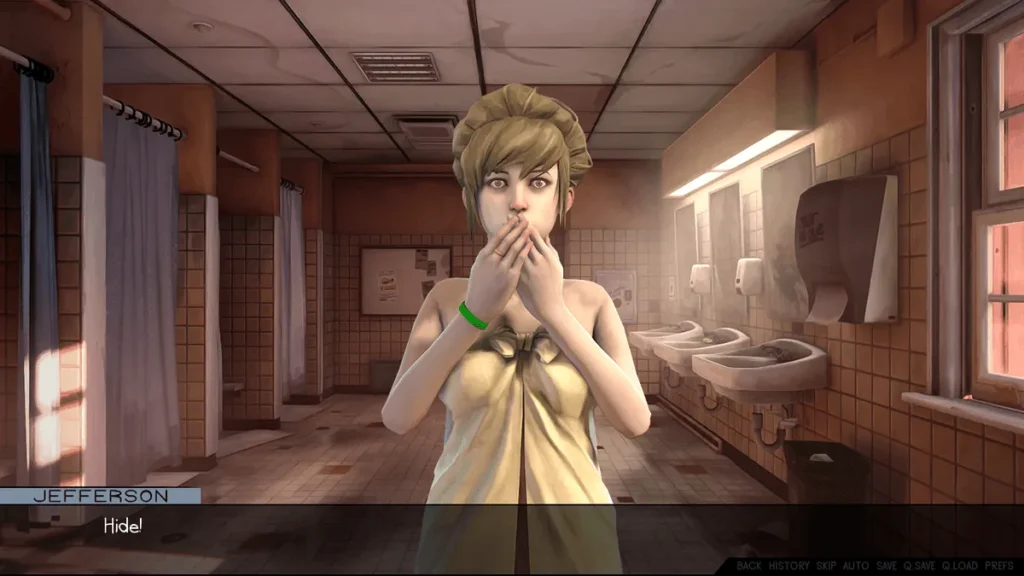
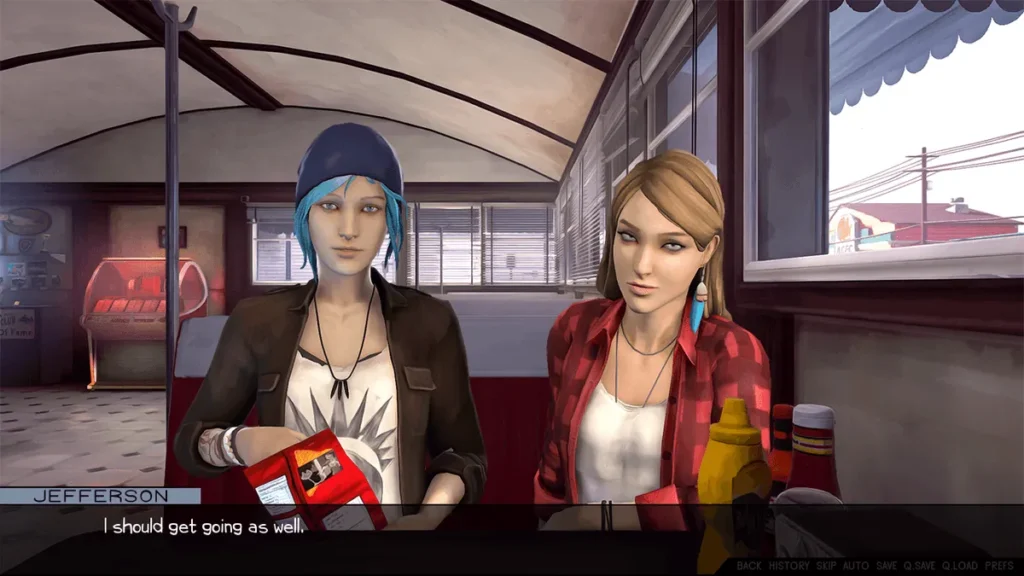
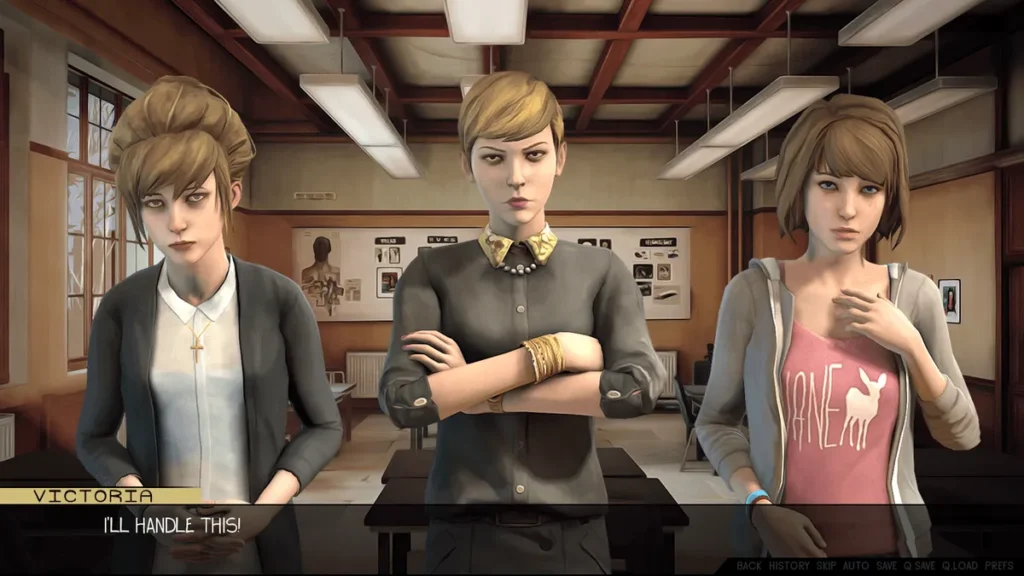
Let’s be real: in a visual novel, presentation is half the battle. Strange Nights might be a shorter experience, but it doesn’t skimp on visual polish. The character models have a distinct Telltale-style aesthetic that I’d rate a solid 7/10—they’re expressive, clean, and carry a lot of personality without venturing into the uncanny valley. 👁️👄👁️
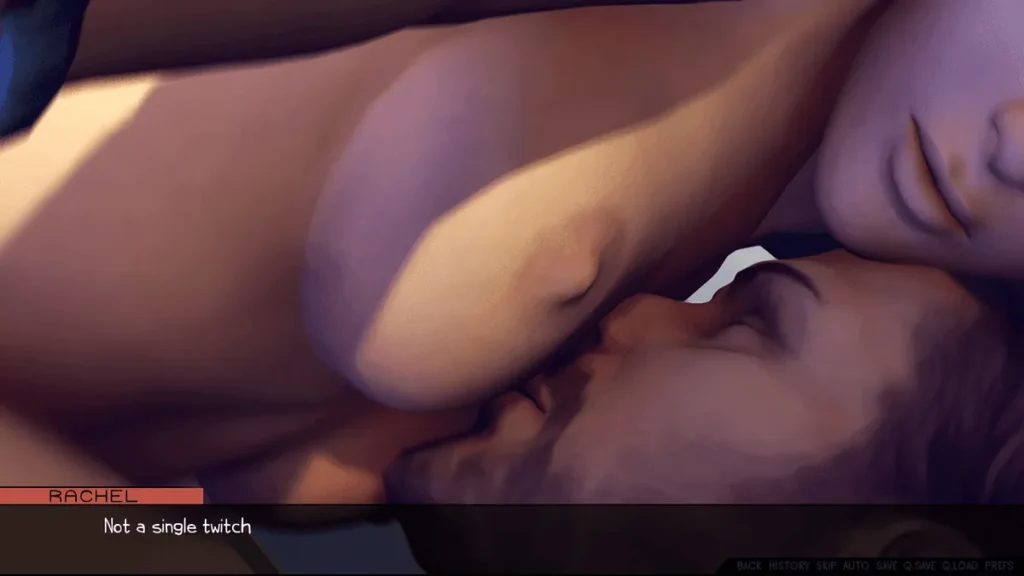
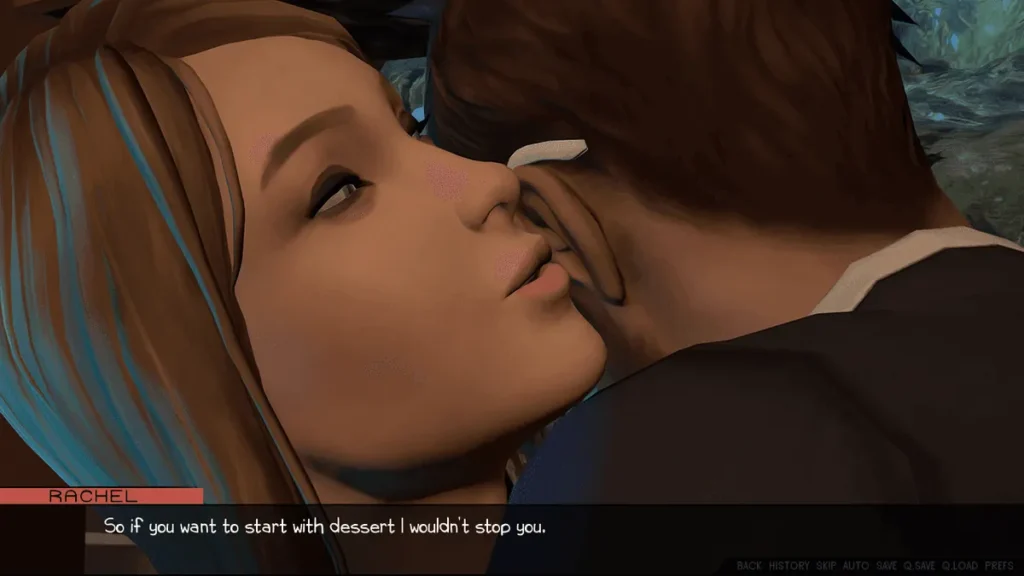
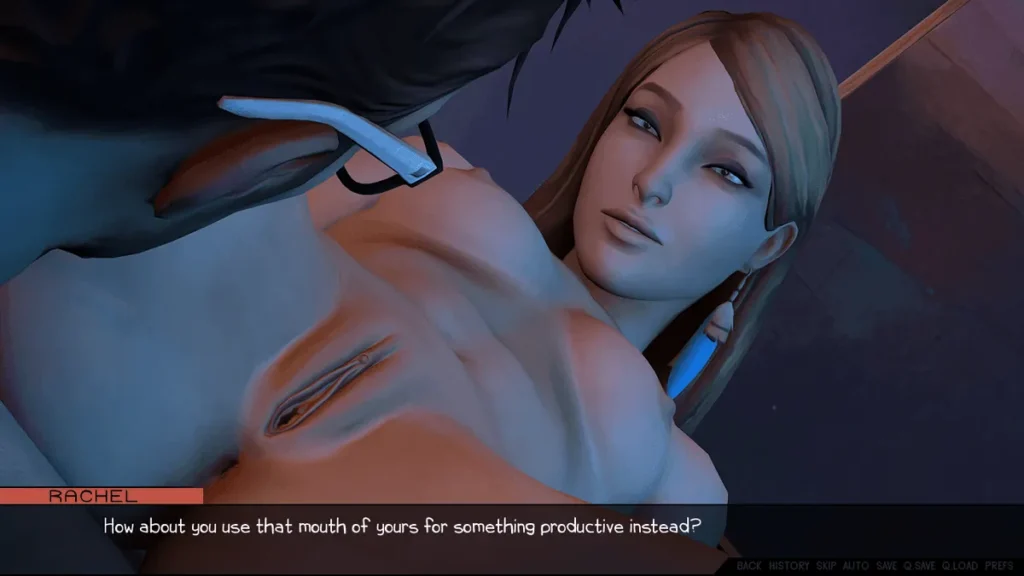
Where the game truly shines is in its renders, which I’d bump to an 8/10. The lighting, angles, and character expressions in key scenes are genuinely well-composed. They do a fantastic job of selling the emotion of a moment, whether it’s a tense confrontation or a more intimate connection. The animations are simple (a fair 7/10) but effective, using smooth transitions and focused movements to keep scenes dynamic without needing a Hollywood budget.
But a pretty face is nothing without character, and this is where the Strange Nights student relationships come alive. The writing gives each student a distinct vibe, making your interactions feel more meaningful than simple checkboxes. Based on community chatter and my own playthroughs, the character appeal often breaks down like this:
- Rachel 🎨: Universally noted as the most visually appealing character. Her scenes are often the most polished, and her storyline feels central to the game’s emotional core.
- The “Driven” Student ⚡: Often the most direct and ambitious, offering a relationship path built on mutual respect (or challenging power dynamics).
- The “Needy” Student 🫂: This path is a perfect test for your empathy dominance points Strange Nights strategy, requiring careful nurturing and emotional support.
- The “Independent” Student 🔍: Winning them over feels like a genuine achievement, as they aren’t easily impressed and value authenticity.
- Supporting Cast 🎭: While focused on key students, even secondary characters have defined personalities that make the campus world feel populated and real.
Pro Tip: Don’t just chase points. Watch the characters’ reactions in the renders—a subtle shift in expression often tells you more about your relationship progress than any stat bar. The visual feedback is expertly tied to your narrative choices.
Can You Balance Empathy and Dominance for Epic Scenes?
This is the beating heart of the Strange Nights game mechanics. From the moment you rewind, every significant dialogue and action feeds into one of two meters: Empathy Points (EP) or Dominance Points (DP). Your balance between them doesn’t just change a line of dialogue; it locks and unlocks entire scenes, defining who Mark Jefferson becomes in this new timeline.
Empathy paints you as a understanding, gentle guide. Dominance shapes you into a confident, take-charge figure. The trick is, the most coveted scenes often have strict requirements. I learned this the hard way. On my first blind run, I went full nice guy, maxing out EP. It was rewarding, but I hit a wall where a crucial option was greyed out. I replayed, focused on building Dominance Points, and when I hit that magic threshold—unlocking a scene that completely blew my mind and changed my view of a key character.
The community-verified key is that you often need 14 or more Dominance Points (DP) to access the most intense and narrative-altering options. This isn’t just about being “mean”; it’s about projecting an unshakeable confidence that alters how others perceive and respond to you.
Actionable Advice: Track your points from the very first choice! The game doesn’t hold your hand, so mental notes or a notepad are your best friends. If you’re aiming for a specific path, be consistent in your attitude. Replayability is where Strange Nights v0.7.1 truly shines—seeing how different balances unlock wildly different interactions is the core fun.
To help you plan your strategy, here’s a breakdown of what each path tends to offer:
| Aspect | Empathy Path (High EP) | Dominance Path (High DP, 14+) |
|---|---|---|
| Points Required | Steady accumulation of EP choices. | Aggressive accumulation of DP; key gates at 14+ DP. |
| Key Choices | Comforting words, listening, offering support, being selfless. | Assertive commands, taking charge, flirty confidence, setting boundaries. |
| Scene Unlocks | Tender, emotional bonding scenes. Deep, trusting conversations. | Passionate, high-intensity scenes. Scenes where you control the narrative pace. |
| Pros & Cons | Pros: Builds deep trust, feels emotionally rewarding. Cons: Can miss out on major plot-altering content. |
Pros: Unlocks the game’s most impactful and memorable scenes. Cons: Risks alienating some characters; requires focused play. |
This system makes every playthrough of Strange Nights Ren’Py a distinct experiment. The “vanilla” scenes (which I’d rate 7.5/10 for their execution) feel earned because they are a direct result of your calculated point management, not random chance.
So, why is this a must-play? 🤔 Despite its shorter length (about an hour per focused playthrough) and its status as an abandoned project, Strange Nights v0.7.1 offers a masterclass in efficient, choice-driven storytelling. It proves you don’t need 50 hours to create meaningful branches and genuine “what if” curiosity. The 3DCG graphics are more than nice—they’re a key storytelling tool. And because it’s offline and compatible with both Android and Windows, it’s the perfect game to dive into during a commute or a lazy evening.
It’s a complete, self-contained capsule of intrigue. You step into the shoes of Mark Jefferson Strange Nights, wield time, manipulate empathy dominance points, navigate complex student relationships, and ultimately write a secret history only you will see. That first hour that hooked me? It’s just the beginning of uncovering all the secrets this gripping tale has to offer. Your second chance is waiting.
Strange Nights wraps you in a quick but thrilling ride of time-altered fates, steamy student bonds, and choice-driven drama that lingers. From my replays, chasing those high DP scenes or empathetic paths always uncovers fresh thrills, even if it’s left unfinished. If you’re into polished VNs with real stakes, dive in today—grab the APK or PC version and start twisting timelines. Share your favorite Rachel moment in the comments; what’s your go-to path? Your next obsession awaits.