Short Sad Stories
Play Short Sad Stories
Short Sad Stories Screenshots


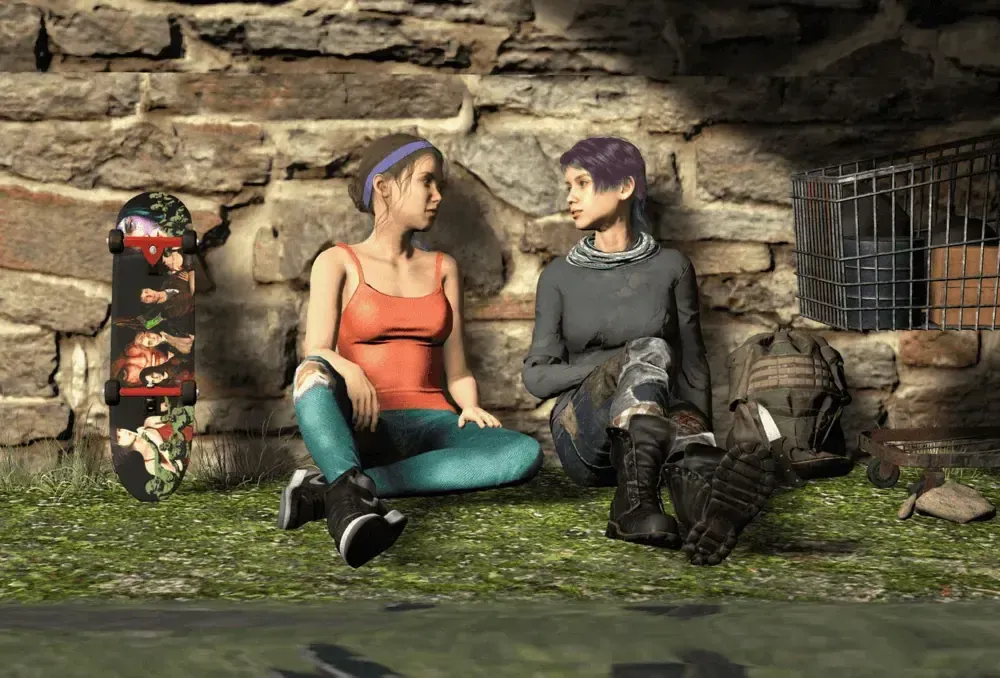

Short Sad Stories review
Exploring the unique narrative and gameplay of Short Sad Stories
Short Sad Stories is a distinctive interactive game that combines emotional storytelling with immersive gameplay. This game invites players to engage with poignant narratives that evoke deep feelings and personal reflection. In this article, we dive into the core elements that make Short Sad Stories a compelling experience, exploring its themes, gameplay mechanics, and the emotional journey it offers to players.
Understanding the Narrative and Themes of Short Sad Stories
Ever downloaded a game expecting a quick distraction, only to find yourself sitting in silence long after the credits roll, your thoughts echoing with what you just experienced? 😔 That’s the unique power of Short Sad Stories. This isn’t your typical action-packed adventure; it’s a deliberate, intimate journey into the human condition, masterfully crafted as an emotional storytelling game.
Its brilliance lies in its focus. Instead of sprawling epics, it delivers concentrated narrative punches. You step into lives at their most fragile moments, and through subtle interaction, you don’t just watch the story—you feel its weight. Let’s explore how this Short Sad Stories narrative builds such a profound connection and why its themes linger long after you put it down.
What Makes the Storylines Emotionally Impactful?
The game narrative impact here is direct and personal. The developers understand that true sadness often whispers; it doesn’t always shout. The Short Sad Stories narrative achieves its power through a few key design choices that prioritize emotional authenticity over complexity.
First, it utilizes micro-narratives. Each story is a snapshot, a single, pivotal moment in a character’s life. This brevity forces every line of dialogue, every environmental detail, and every player choice to carry immense meaning. There’s no filler. You’re plunged directly into the heart of the emotional conflict.
Second, the game employs quiet interactivity. You won’t be solving grand puzzles or battling enemies. Instead, you engage in mundane, deeply human actions: picking up a photograph, choosing what to say in a difficult conversation, or simply deciding to stay silent. These small interactions create a powerful sense of agency and responsibility. You’re not a hero saving the world; you’re a person navigating a painful, real-world moment.
For example, one story might have you sorting through a departed loved one’s belongings. The “gameplay” is clicking on objects—a watch, a book, a half-finished letter. Each item reveals a memory, and you must choose what to keep and what to donate. This simple mechanic transforms into a profound exercise in memory and letting go.
This approach makes Short Sad Stories a premier example of interactive sad stories. Your engagement is the catalyst for the emotional release. The story needs your participation to unfold, making the resulting feelings—the regret, the catharsis, the quiet hope—feel uniquely yours. It’s a masterclass in player emotional engagement, proving that the smallest interactive touch can have the largest emotional footprint. ✨
Key Themes Explored in the Game
The themes in Short Sad Stories game are its backbone. They explore universal experiences of heartache, making the game a mirror for our own lives. It doesn’t deal in fantastical tragedy, but in the grounded, everyday sorrows we all risk facing.
The game’s power comes from how these themes are presented not as grand statements, but as intimate, playable moments. Here’s a look at the core emotional landscapes you’ll navigate:
| Theme | How It’s Explored | Player’s Role |
|---|---|---|
| Loss & Grief | Focuses on the quiet aftermath: empty spaces, unresolved conversations, and the weight of absence. | You often step into the shoes of the one left behind, navigating the mundane tasks that follow loss, making memory tangible. |
| Regret & Missed Opportunities | Centers on “what if” moments—words unspoken, paths not taken, and relationships left fractured by time or pride. | Your choices frequently involve reflection or small attempts at reconciliation, highlighting the fragility of connection. |
| Loneliness & Isolation | Depicted through physical and emotional distance, even in crowded places, and the struggle to reach out. | You act as a quiet observer or a hesitant connector, feeling the character’s isolation through limited interaction options. |
| Fading Memories & Time | Explores how time softens and erodes, dealing with aging, dementia, or simply the slow change of people and places. | Gameplay involves piecing together fragments of the past, actively fighting against or coming to terms with forgetting. |
These themes in Short Sad Stories game resonate because they are explored with nuance. The game rarely offers easy answers or happy endings. Instead, it offers understanding. It validates these difficult emotions, providing a safe digital space to sit with them. This validation is a crucial part of its design as an emotional storytelling game, fostering a deep sense of empathy in gaming. You’re not just learning about a character’s sorrow; you are, for a few minutes, sharing its burden. ❤️🩹
How Storytelling Shapes Player Experience
The Short Sad Stories narrative is a toolkit for feeling. Every element—dialogue, atmosphere, sound, and choice—is meticulously tuned to guide and deepen your emotional response. This isn’t accidental; it’s the core of the game narrative impact.
Atmosphere is a primary narrator. The visual style, often muted and melancholic, and the soundtrack, filled with poignant, minimalist scores, set the stage before a single word is read. You feel the loneliness of a character’s apartment or the heaviness of a rainy day. This environmental storytelling does half the work, putting you in the right headspace for the narrative to land.
Then comes the dialogue and text. It’s sparse, realistic, and often heartbreakingly simple. A character might say, “I still set the table for two,” and that single line carries more narrative weight than pages of exposition. Your choices in dialogue are rarely about being “right” or “wrong,” but about choosing which flavor of a difficult truth to voice. Will you be bluntly honest, kindly evasive, or simply offer silent company? Each path reveals a different facet of the situation and, by extension, of yourself as the player.
This is where the magic of player emotional engagement truly happens. Because the interactions are subtle and the stakes are personal, you project your own experiences onto the story. The game provides the framework, but you fill it with your own memories of loss, regret, or hope. One player might be deeply moved by a story about a fading memory, recalling a grandparent, while another connects with a tale of fractured friendship.
Ultimately, Short Sad Stories redefines what gameplay can be. Its core mechanic is empathy in gaming. The “challenge” is not to overcome an obstacle, but to understand a feeling. The “reward” is not a trophy, but a moment of shared humanity and personal reflection. It shows that interactive sad stories can be some of the most powerful and memorable experiences in modern gaming, leaving a quiet, lasting imprint on the heart. 🌌
Short Sad Stories offers a unique blend of interactive gameplay and emotionally rich narratives that leave a lasting impression on players. By exploring themes of human vulnerability and personal challenges, the game creates a space for reflection and empathy. Whether you are drawn to storytelling or immersive experiences, Short Sad Stories provides a meaningful journey worth exploring. Dive in and experience the emotional depth this game has to offer.