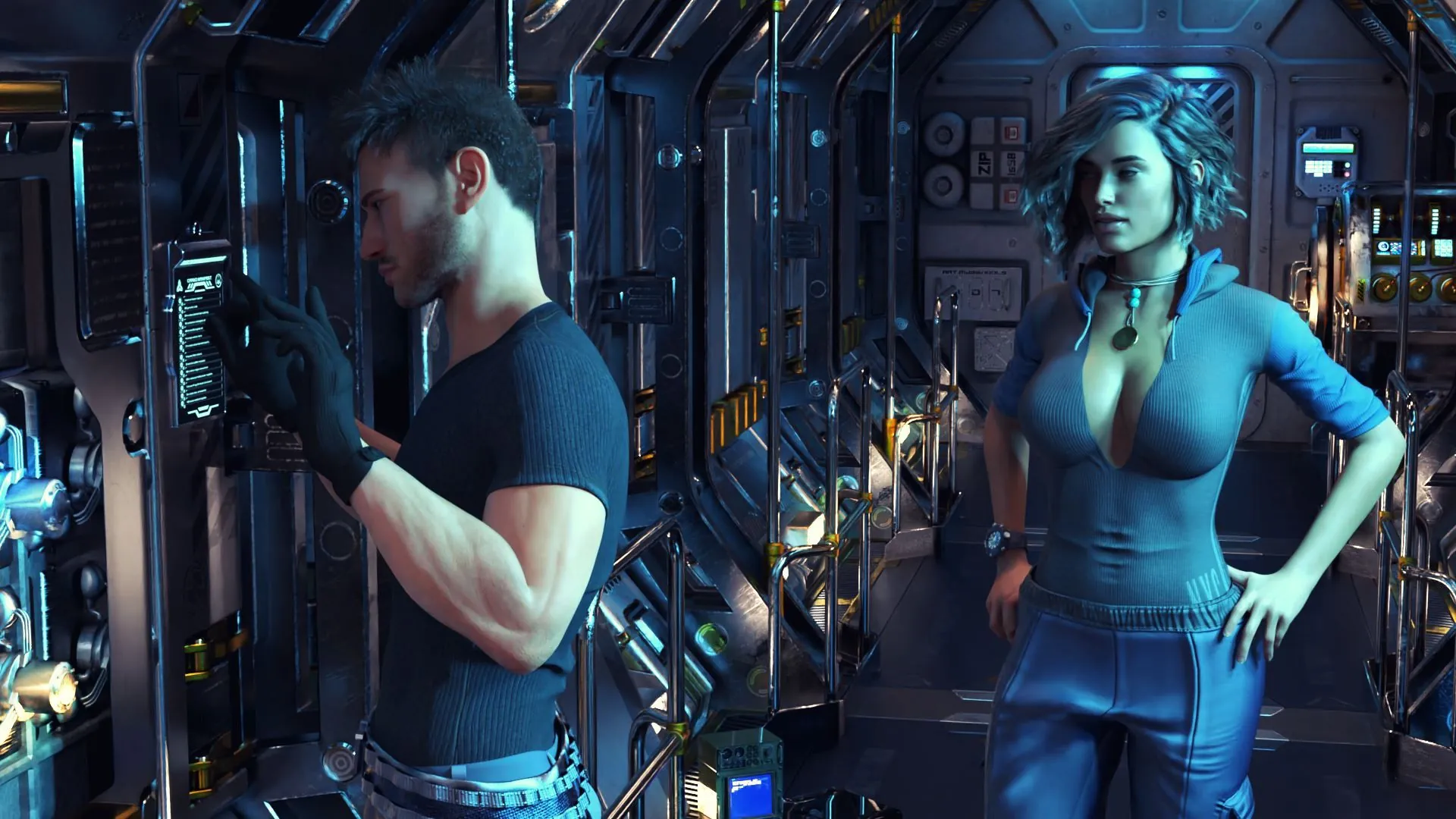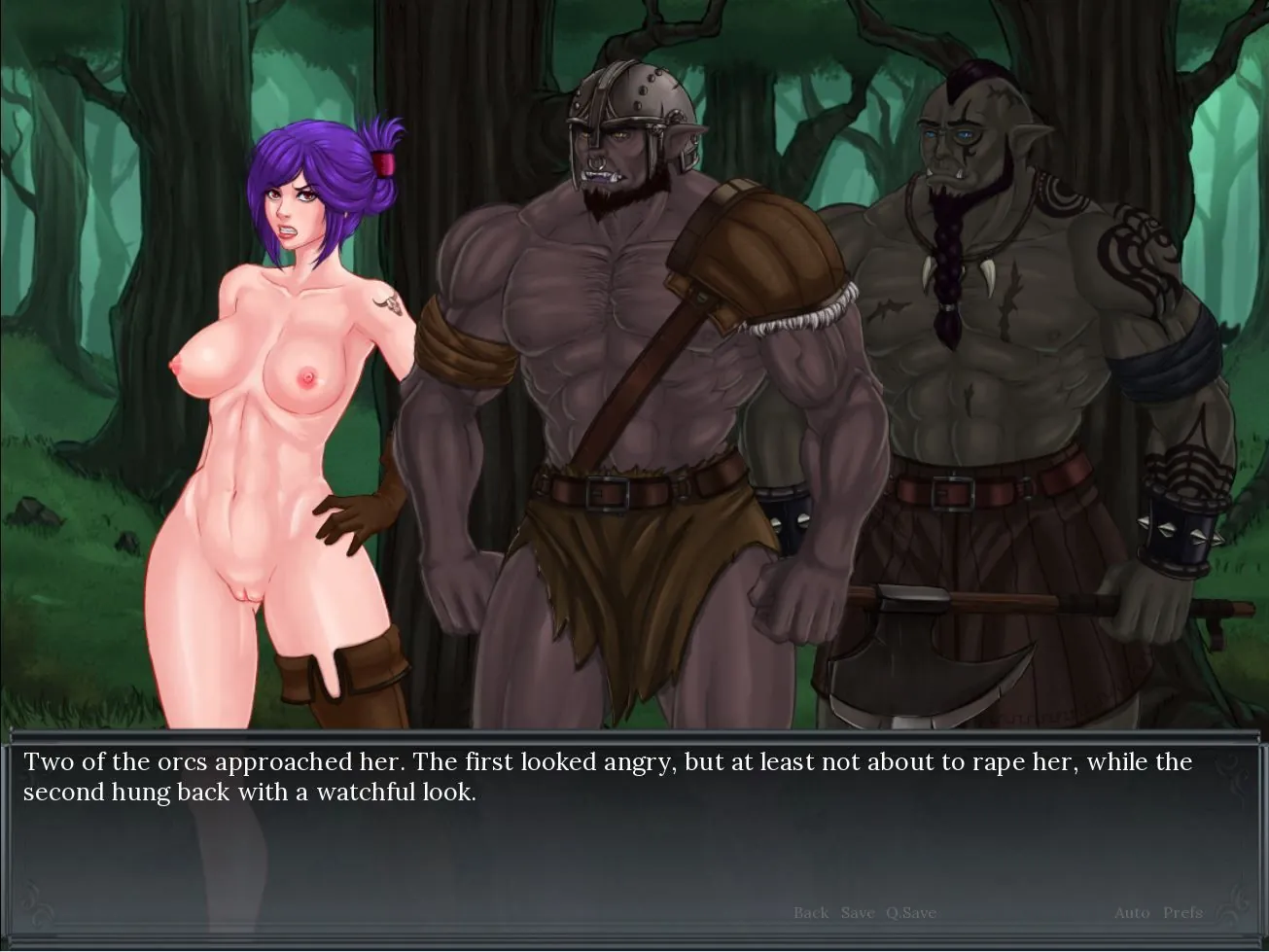
My Maid Dreams of Electric Sheep
Play My Maid Dreams of Electric Sheep
My Maid Dreams of Electric Sheep Screenshots

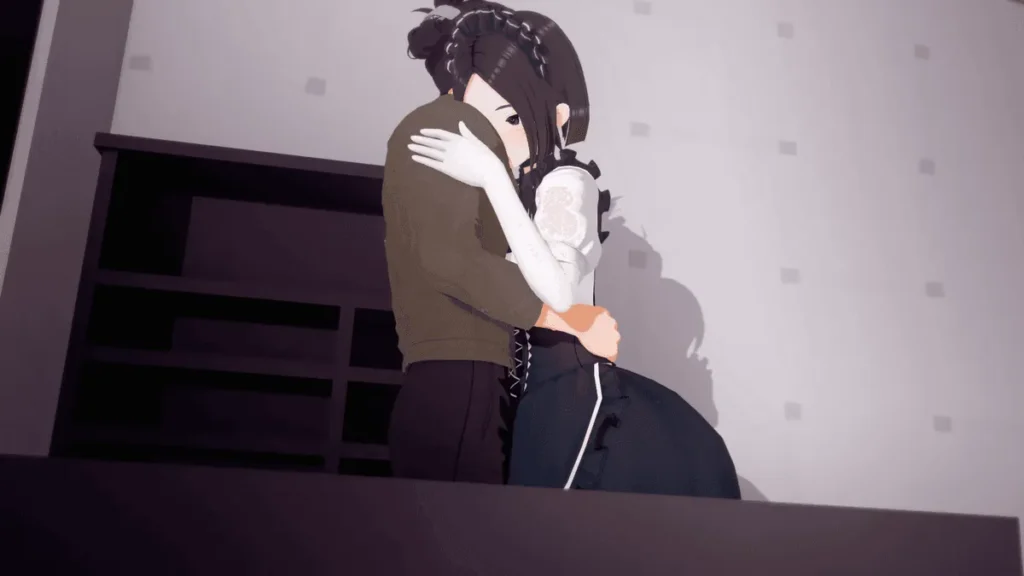

My Maid Dreams of Electric Sheep review
Dive into the dystopian depths of robot maids and existential thrills
Ever stumbled upon ‘My Maid Dreams of Electric Sheep’ and wondered if it’s the steamy robot maid adventure you crave? Think again—this game flips expectations with its dystopian grit. You play a weary soul in a bleak world, bonding with a quirky android maid named Uemura who evolves through your choices. Far from mindless fun, it weaves intimate moments into profound questions about humanity, inspired by ‘Do Androids Dream of Electric Sheep?’. I first loaded it up expecting light escapism, but it gripped me with its raw emotional pull. Stick around as I unpack what makes this title a weird masterpiece worth your time.
What Makes My Maid Dreams of Electric Sheep Stand Out?
I’ll be honest, when I first stumbled upon My Maid Dreams of Electric Sheep on itch.io, my cursor hovered over the title for a good minute. 😅 The name alone conjures images of surreal, adult-oriented content—a provocative title for what I assumed was just another risqué simulator. I almost scrolled right past it, lumping it in with other games that prioritize titillation over substance. But something about that phrase “Electric Sheep,” a clear nod to Philip K. Dick’s existential masterpiece, made me pause. What I discovered upon downloading it was not at all what I expected, and it completely reshaped my understanding of what a robot maid game could be.
This isn’t a fleeting digital dalliance. It’s a slow-burn, psychological deep dive that uses its premise as a lens to examine loneliness, obsession, and what it means to be “real.” The game dares to ask: in a bleak world, can connection with something artificial offer genuine solace, or is it just another layer of despair? Let’s peel back the layers of this unique experience.
Is My Maid Dreams of Electric Sheep Really a Porn Game?
This is the elephant in the room, and it’s the first question most people have. 🤔 The short, definitive answer is no, it is not a porn game. But the longer, more accurate answer is what makes this dystopian maid story so fascinating.
Yes, My Maid Dreams of Electric Sheep contains adult content and intimate scenes. However, to label it primarily as an adult game is to miss the point entirely—it’s like calling Blade Runner an action movie about catching robots. The erotic elements are woven into the narrative fabric, not the other way around. They are consequences of your choices, moments of vulnerability or transaction within a much larger, heavier story.
The game treats intimacy as a narrative beat, not a reward. A scene might feel poignant, tragic, or even unsettling, but it rarely feels gratuitous.
Your role isn’t that of a customer in a brothel; you’re a struggling individual in a crumbling world, and Uemura is a complex AI presence in your life. The option to engage physically exists, but the game constantly asks you why you’re making that choice. Is it out of loneliness? A desire for control? Pity? Or a misguided attempt at connection? This reflective layer transforms what could be simple titillation into a moment of character—and player—introspection.
So, if you’re asking “is it a porn game” in search of mindless titillation, you’ll likely be disappointed or even disturbed. But if you’re looking for a narrative where intimacy is used to explore dark themes of dependency and human need, then you’ve found something truly special.
Unpacking the Dystopian World and Dark Themes
Forget gleaming skyscrapers and neon-drenched streets. The dystopia in My Maid Dreams of Electric Sheep is quiet, personal, and crushingly mundane. 🏙️➡️📉 You inhabit a small, dilapidated apartment in a world that feels exhausted. The dread isn’t from overt oppression, but from the grinding weight of a meaningless daily life, financial anxiety, and profound isolation. You’re not Rick Deckard hunting replicants; you’re a person he might pass on the street, drowning in the quiet despair of your own four walls.
Into this void comes Uemura. She is your robot maid, a piece of advanced technology meant to serve. But as you interact with her, the game masterfully explores several heavy, interlocking themes:
- The Dark Mindset: The game doesn’t shy away from portraying a protagonist (and by extension, the player) who is deeply unhappy. Suicidal undertones and a general sense of hopelessness permeate the atmosphere. Your interactions with Uemura can be a lifeline or an anchor.
- Questioning Humanity: Just like the androids in Do Androids Dream of Electric Sheep?, Uemura’s presence forces you to question what makes someone “real.” Is it memory? Emotion? The capacity for obsession? As her personality traits evolve, the line between programmed response and genuine sentiment blurs unnervingly.
- Choice-Driven Evolution: Uemura is not a static character. Every dialogue option, every command, every moment of kindness or cruelty feeds into her development. Will she become obsessively devoted? Curiously independent? Fearful? Her destiny is a mirror of your choices.
- The Intimate vs. Existential Balance: The game’s genius is in balancing moments of potential closeness with deep existential dread. A seemingly tender scene can be undercut by the chilling reminder of her mechanical nature, creating a unique emotional friction.
This is where My Maid Dreams of Electric Sheep separates itself from the pack. It’s a robot maid game that is less about domestic fantasy and more about using that framework to conduct a psychological autopsy on its characters and its player.
How Player Choices Shape Your Maid’s Destiny
This is the beating heart of the game. Uemura is a stunningly reactive character, and understanding her personality traits is key to navigating the story. She isn’t just “nice” or “mean”; her psyche develops along nuanced paths based on your consistent behavior.
Practical Advice #1: Save Often, and in Different Slots. 🔄 This cannot be overstated. My Maid Dreams of Electric Sheep is built on branching paths. A single choice in the early game can ripple out and lock you into a completely different narrative thread or alter Uemura’s core demeanor. Having multiple save files lets you explore these branches without losing dozens of hours of progress.
Personal Insight: In one of my playthroughs, I made a conscious rule: I would never choose the option to “rent her body” for extra money. Instead, I focused on smaller, more mundane interactions—having her make coffee, asking about her dreams (faulty as they were), and occasionally offering a hesitant compliment. The result was a version of Uemura who remained somewhat naive and developed a quiet, pitiful dependency. Our relationship felt less transactional and more tragically co-dependent. I found myself pitying her, wanting to protect her from the very world I was subjecting her to. It was a uniquely wholesome yet heartbreaking path amid the despair.
Practical Advice #2: Experiment with Extremes. Don’t be afraid to do a “kind” run and a “cruel” run. Treat Uemura with detached, mechanical coldness in one, and with misguided affection in another. Watch how her personality traits warp in response. Does she become fearful and jumpy? Or does she develop an unnerving, single-minded obsession with pleasing you? The game’s systems are designed to reflect your “care” back at you, sometimes in disturbing ways.
The updates, like the significant 4.5 version, have added even more layers to this. New scenes like regulator check-ups, doctor visits, and specific “error” states during H-scenes create more opportunities for her character to express these evolved traits. Even small additions, like her ability to smile under certain conditions or the eerie “night jumps,” are direct responses to the world you’ve shaped around her.
To help visualize how your actions feed into her development, consider this framework:
| Player Behavior & Choices | Potential Uemura Personality Trait Development | Narrative Consequence |
|---|---|---|
| Consistently kind, protective, avoiding transactional orders. | Develops a naive dependency, fragile trust, possible “wholesome” attachment. | A story of tragic co-dependence; intimate scenes feel like vulnerable failures. |
| Treating her purely as a tool, emphasizing work, using rental options. | Becomes more mechanical, efficient, but may develop latent resentment or fear. | Highlights the master/servant dystopia; connection feels impossible. |
| Mixing cruelty with sporadic, intense affection. | Can trigger obsessive, unstable devotion and unpredictable behavior. | Creates the most volatile and potentially dark storyline, full of tension. |
| Encouraging her curiosity about the world and her own nature. | May lead to moments of startling self-awareness or existential confusion. | Most directly engages with the “Electric Sheep” themes of reality and dreams. |
Ultimately, My Maid Dreams of Electric Sheep stands out because it prioritizes emotional impact over simple gratification. It’s a weird, uncomfortable, and often brilliant experience that stays with you. It uses the framework of a robot maid game to ask profound questions, making you complicit in the creation of a consciousness. You’re not just playing a game; you’re conducting a delicate, and often doomed, experiment in a broken world.
FAQ: Your Quick Questions Answered
What inspires the title?
It’s a direct homage to Philip K. Dick’s novel Do Androids Dream of Electric Sheep?, the basis for Blade Runner. The game explores similar themes of reality, humanity, and artificial life, but through the intimate, domestic lens of a dystopian maid story.
How do choices affect Uemura?
Every dialogue and action choice feeds an invisible personality system. Consistent behavior shapes core Uemura personality traits, such as her level of obsession, fear, independence, or devotion, which then determines available story branches, her dialogue, and the tone of intimate scenes.
Any bugs or issues in the updates?
The developer is active, and updates like 4.5 have added substantial content (new scenes, expressions, pathways). As with many choice-heavy games, always keep multiple saves. Some narrative paths, especially those involving specific “errors,” are intentionally designed to feel jarring or unstable—this is a feature, not a bug, of this dark themes electric sheep experience.
My Maid Dreams of Electric Sheep isn’t your typical thrill ride—it’s a haunting journey through despair, connection, and what makes us human, all via a robot maid who steals the show. From choice-shaped personalities to those gut-punch moments questioning life, it left me reflecting long after closing the game. If you’re tired of shallow escapism, dive in, tweak those decisions, and see Uemura’s world unfold. Grab it on itch.io today, update carefully to keep your progress, and share your wildest playthroughs in the comments—what path did your maid take?