Lost in Paradise
Play Lost in Paradise
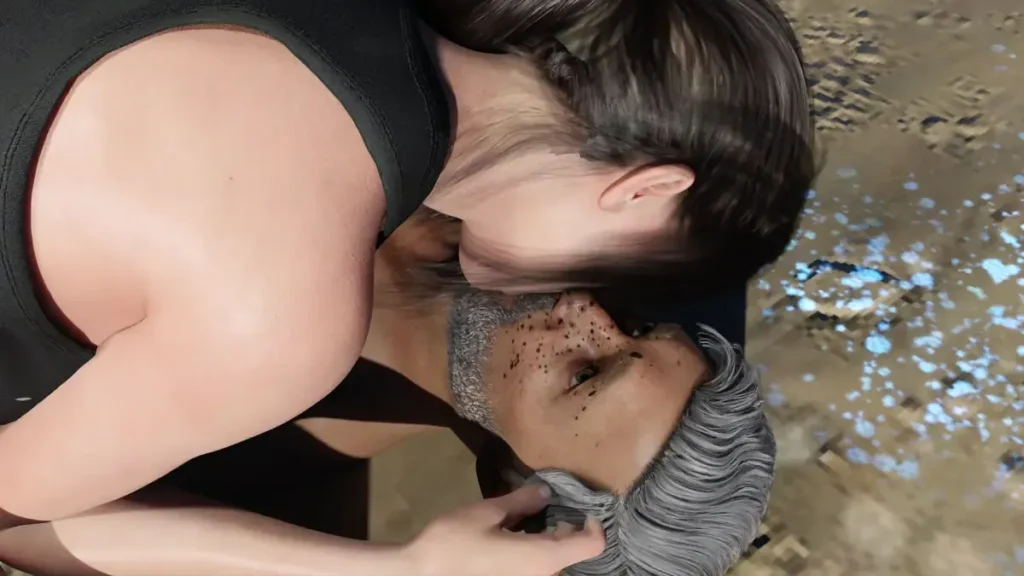
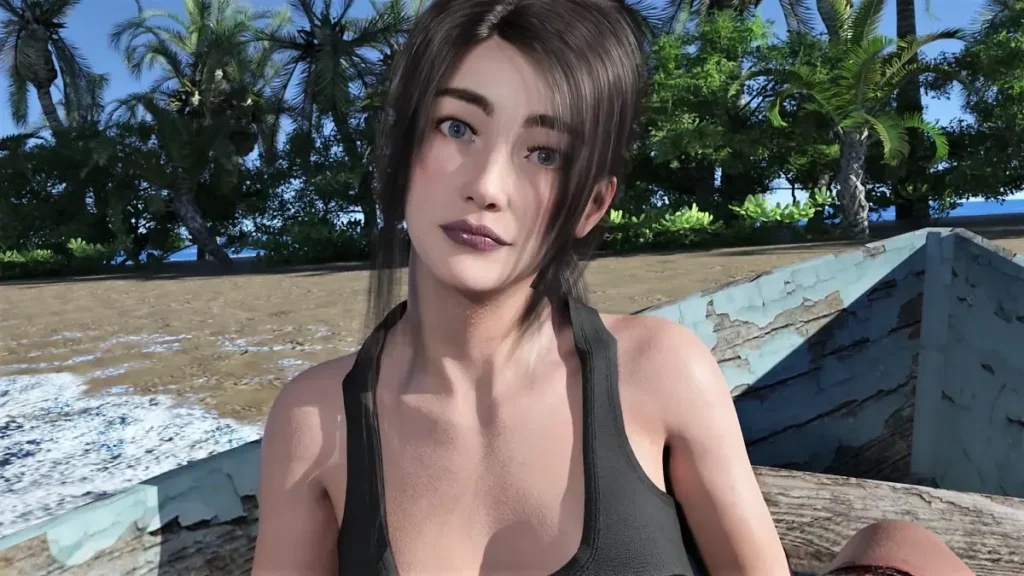
Lost in Paradise Screenshots






Lost in Paradise review
Explore gameplay mechanics, storyline, and features of this adult visual novel
Lost in Paradise has emerged as a notable title in the adult visual novel genre, captivating players with its intriguing narrative and engaging gameplay mechanics. This comprehensive guide explores what makes this game distinctive, from its storyline and character development to its interactive features and player engagement systems. Whether you’re a seasoned visual novel enthusiast or curious about the genre, understanding the core elements of Lost in Paradise provides insight into modern interactive storytelling. This article breaks down the essential aspects of the game, offering both newcomers and experienced players valuable information about gameplay, narrative structure, and what to expect from this unique interactive experience.
Understanding Lost in Paradise: Gameplay and Core Mechanics
Ever downloaded a visual novel expecting a passive slideshow of pretty pictures and text, only to find yourself genuinely stressed over a dialogue option two hours in? 😅 That was my exact experience with Lost in Paradise. I went in thinking I’d just kick back and watch a story unfold, but I quickly realized this wasn’t that kind of ride. This game hands you the keys and says, “You drive.” And where you end up—who you end up with, and what paradise even means—is entirely up to you. If you’re wondering how to play Lost in Paradise, the first lesson is to leave your expectations at the door and prepare to engage.
At its heart, Lost in Paradise gameplay is a masterclass in player agency. It takes the traditional framework of a visual novel and injects it with a potent dose of meaningful interaction. You’re not just reading a story; you’re authoring it with every choice, building it through every relationship. This guide will break down the core mechanics that make this such a captivating interactive storytelling game.
What Makes Lost in Paradise Unique in the Visual Novel Genre
So, what sets this tropical tale apart from a sea of other visual novels? It’s the ruthless commitment to consequence. Many games in the genre offer the illusion of choice, where dialogue options are just different flavors of the same eventual outcome. Lost in Paradise tosses that script overboard. 🏝️
My disastrous first playthrough is a perfect case study. Early on, I met Elara, a fiercely independent artist. Trying to be a “nice guy,” I offered unsolicited help on her project. The game gave me a subtle, almost imperceptible flicker of disappointment in her sprite’s expression. I thought nothing of it. Fast forward several chapters, and that single, seemingly minor choice had compounded with others, locking me out of her route entirely. The game had remembered my presumption, weaving it into her perception of my character. This level of narrative cause-and-effect is the game’s signature.
Beyond its sophisticated choice matrix, Lost in Paradise distinguishes itself with a few key visual novel mechanics:
- A Living, Reacting World: Characters remember your big decisions and your small comments. They gossip among themselves, and their availability for events can change based on your reputation.
- Pacing as a Narrative Tool: The game expertly balances slower, character-building moments with intense, choice-laden dramatic peaks. You’ll have time to breathe and enjoy the paradise setting before the next major decision hits.
- Integration of Adult Content: Unlike many games where intimate scenes feel tacked-on, here they are treated as narrative climaxes. They are direct results of your relationship-building efforts and often contain crucial emotional beats or even plot revelations, making them feel earned and significant to the Lost in Paradise story progression.
Here’s a quick overview of the foundational systems you’ll engage with from the start:
- The Relationship Web: Every major character has visible affinity meters (often hidden in the UI for realism), but their feelings are also influenced by your interactions with other characters.
- The “Momentum” System: The story doesn’t wait for you. Miss key opportunities to connect with a character, and the narrative momentum will shift toward other paths or plotlines.
- Environmental Interaction: Certain scenes allow you to examine your surroundings. These aren’t just for flavor; they can unlock special dialogue options, provide backstory, or even present unique relationship opportunities later.
- The Timeline: The story operates on a clear day/night and event schedule. Choosing to spend time with one person often means explicitly not spending it with another, creating constant, meaningful trade-offs.
Interactive Storytelling and Player Choice Systems
This is where Lost in Paradise truly shines as an interactive storytelling game. The branching narrative choices aren’t signposted with dramatic music or glowing buttons. They are woven seamlessly into natural dialogue and quiet moments of introspection. The game understands that the most impactful choices are often the subtle ones: a moment of honesty versus a witty deflection, a gesture of support versus giving someone space.
The branching isn’t just a “Route A or Route B” fork in the road. It’s more like a dense, sprawling mangrove forest. One early choice might open up an entire new story branch for one character while merely adjusting the dialogue tone on another’s path. I once replayed a chapter four times, making one different branching narrative choice each time, and ended up with four radically different scenes in the following chapter. The game’s narrative DNA is incredibly malleable.
Pro Tip: Save often, and in multiple slots! How to play Lost in Paradise effectively boils down to embracing experimentation. Don’t be afraid to rewind and try a different approach—seeing the alternative outcomes is half the fun and reveals the incredible depth of the writing.
A major mechanic is the Trust vs. Desire dynamic. Some dialogue options build platonic trust and deep friendship, while others stoke romantic or physical desire. Pursuing only “Desire” choices often leads to short-term intimacy but can sabotage long-term relationships if there’s no foundation of trust. Balancing these two axes is crucial for navigating the game’s character relationships visual novel aspects.
| Choice Type | Short-Term Effect | Long-Term Narrative Consequence |
|---|---|---|
| Supportive / Trust-Building | Increases character’s comfort level; unlocks personal backstory scenes. | Can lead to deep, committed relationship endings; essential for resolving certain character’s personal conflicts. |
| Flirtatious / Desire-Oriented | Rapidly increases romantic tension; may unlock passionate scenes sooner. | Without trust, can lead to conflicted or bittersweet endings; may cause jealousy with other characters. |
| Neutral / Observant | Keeps all paths open; allows you to learn information passively. | Can result in a “solitary” or introspective ending if overused, as you fail to deeply connect. |
| Direct / Confrontational | Can resolve immediate plot obstacles or cause sharp conflict. | Respects certain character types (like the confident Kael) but permanently damages relationships with others. |
FAQ: Common Questions About Choices
- “Can I romance everyone at once?” 🫣
Technically, you can try! The game allows multi-track drifting in the early and mid-game. However, be warned: characters have agency and boundaries. Being discovered in a web of deceit can lead to spectacularly dramatic confrontations and potentially lock you out of all major romantic endings. The Lost in Paradise gameplay encourages authenticity. - “Do choices made in Chapter 1 really matter in Chapter 8?”
Absolutely. The game employs a flagging system that carries small variables forward. A kindness shown to a secondary character in Chapter 1 might mean they vouch for you in a critical moment much later, altering the available options. - “What if I get stuck on a ‘bad’ path?”
There are very few truly “bad” paths, only different narratives. However, if you feel you’ve alienated everyone, look for opportunities for genuine apology or moments of self-sacrifice. The game rewards emotional growth and redemption.
Character Development and Narrative Progression
The Lost in Paradise story progression is intrinsically tied to how you develop your relationships. This isn’t a system where you grind “affection points.” Instead, progression is gated behind key emotional beats and decisions that require a certain level of understanding with a character.
Each primary character has a core personal conflict—a wound from their past or a dream for their future. Your role is to discover what that is through careful conversation and observation. Lost in Paradise gameplay involves piecing together these puzzles. You might learn about Kael’s strained family legacy by choosing to help him with a tedious task, or discover Elara’s fears by not pushing her to open up and instead sharing a vulnerable moment of your own.
The narrative unfolds in distinct, beautifully paced acts:
1. Arrival & First Impressions: You’re introduced to the cast and the central premise. Choices here set the initial tone for all relationships.
2. Deep Dive & Conflict: Characters’ layers and problems are revealed. This is where your earlier choices start to pay off or create obstacles. Major plot events occur, forcing you to take sides or make sacrifices.
3. Resolution & Consequence: The threads of your choices are pulled together. You’ll experience one of many possible endings—romantic, platonic, or solitary—that directly reflect the sum of your actions throughout the entire journey.
The character relationships visual novel mechanics mean that no relationship exists in a vacuum. If you spend all your time with Elara, Kael might become distant or seek comfort elsewhere, which you might witness in a background scene. This creates a powerful sense of a living world where your absence is noted. Furthermore, successfully navigating a character’s arc often involves making choices that align with their values, not necessarily your own personal preferences. To win over the proud Kael, sometimes you have to challenge him, not coddle him.
To master the Lost in Paradise story progression, focus on consistency and empathy. Be the person your chosen character needs you to be, listen more than you speak, and understand that sometimes the most powerful choice is simply being present. The paradise you find at the end of this game won’t be the sandy beach you started on; it will be the emotional landscape you built, choice by careful choice, through its brilliant and demanding interactive storytelling game design. Your perfect ending is out there, waiting to be written. ✍️🌅
Lost in Paradise represents a compelling entry in the visual novel genre, offering players a rich interactive experience built on meaningful choices and character-driven storytelling. The game’s strength lies in its ability to blend engaging narrative elements with player agency, allowing each playthrough to feel unique based on individual decisions. Understanding the core mechanics, character systems, and narrative structure enhances the overall experience and helps players appreciate the depth of interactive storytelling the game provides. For those interested in visual novels or interactive fiction, Lost in Paradise demonstrates how thoughtful game design can create memorable experiences that resonate with players long after completion. Explore the game at your own pace, experiment with different choices, and discover the multiple narrative paths this engaging title has to offer.