
Imperium Bureaucracy Hero
Play Imperium Bureaucracy Hero
Imperium Bureaucracy Hero Screenshots


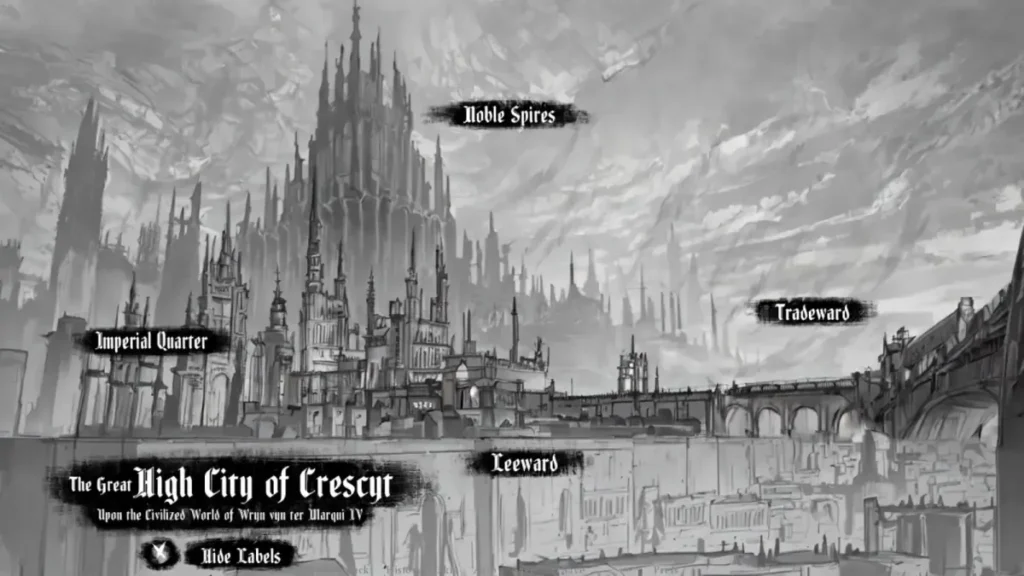


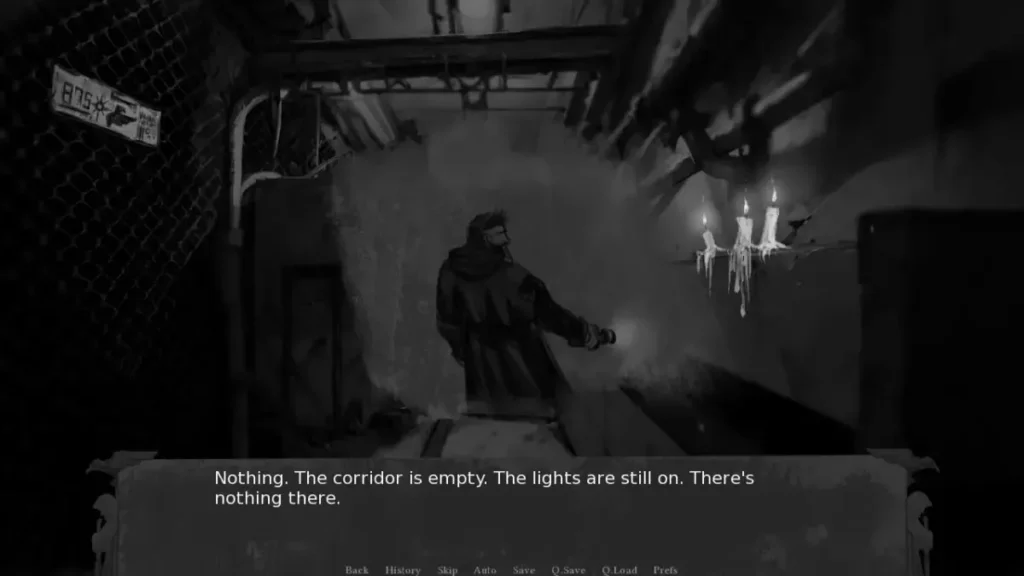


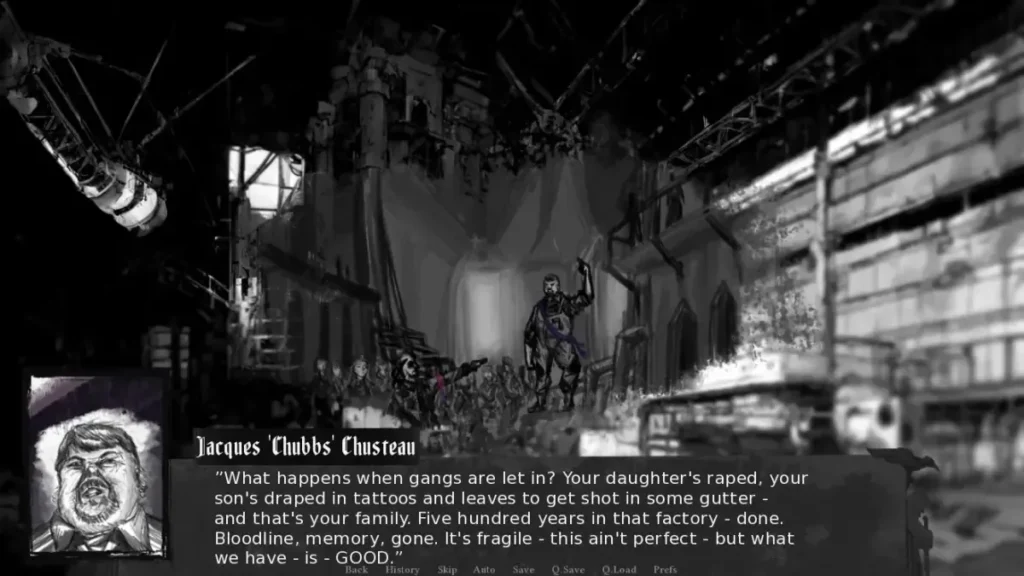
Imperium Bureaucracy Hero review
Explore gameplay mechanics, character interactions, and strategic decisions in this unique narrative experience
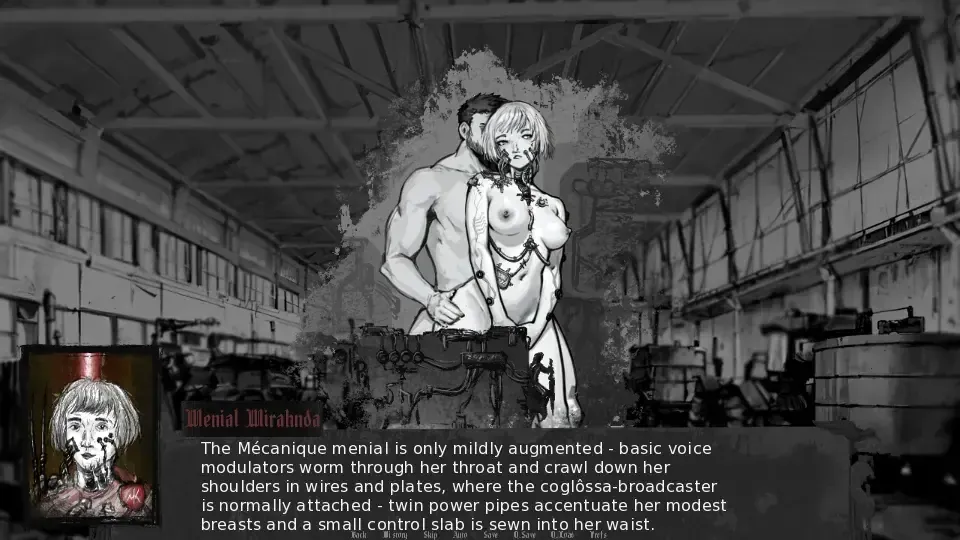
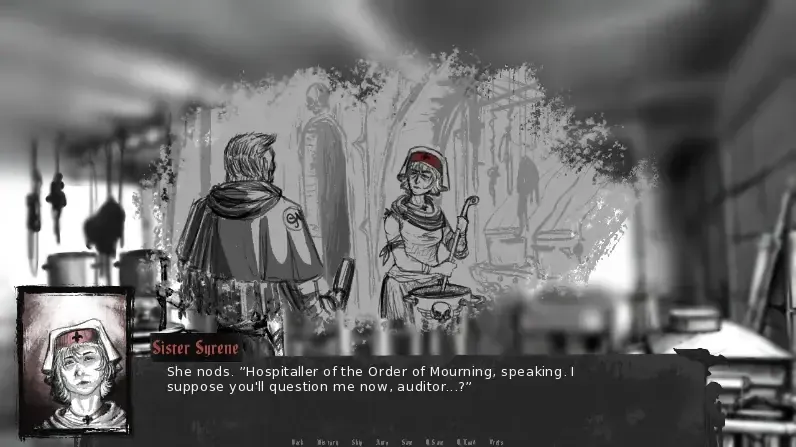
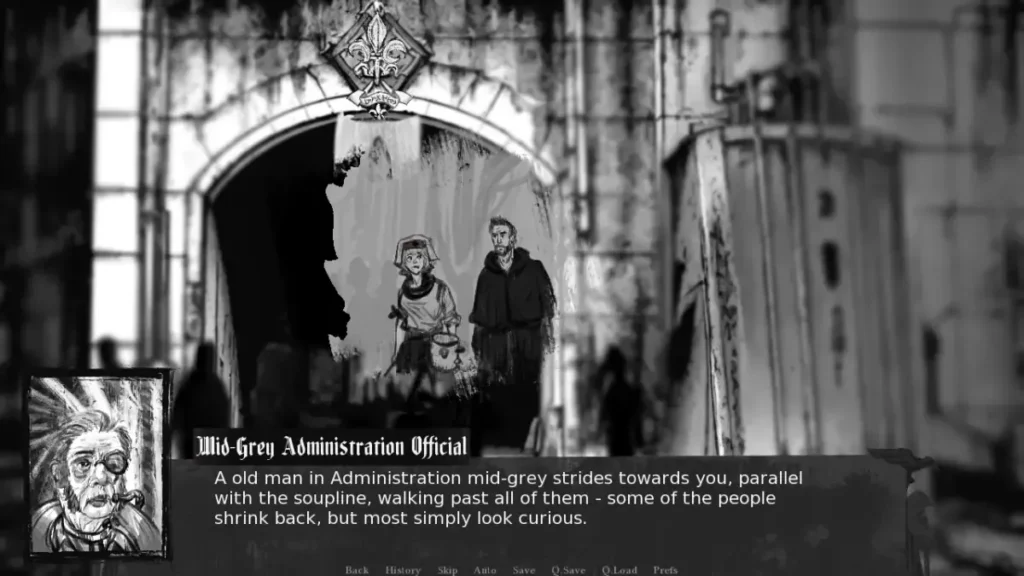
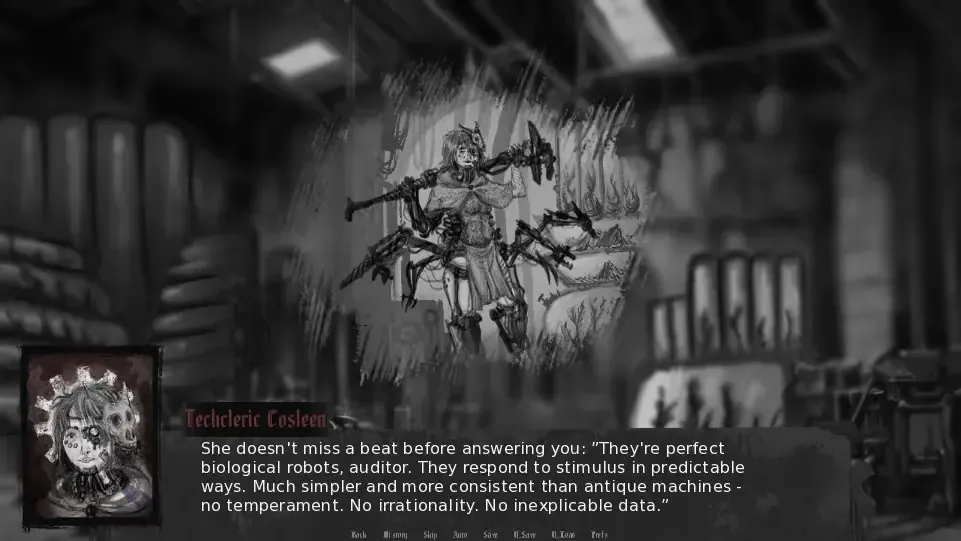
Imperial Bureaucracy Hero stands out as a distinctive narrative-driven game that challenges players to navigate complex moral choices within a bureaucratic setting. Developed by Munitions Mori and available on Itch.io, this title combines strategic decision-making with compelling storytelling. Players take on the role of a bureaucrat facing unexpected situations and character interactions that test their values and priorities. The game has garnered attention for its exceptional writing quality and immersive world-building. Whether you’re interested in narrative games, strategic gameplay, or unique character-driven experiences, Imperial Bureaucracy Hero offers something genuinely different from mainstream gaming offerings.
Understanding Imperial Bureaucracy Hero’s Core Gameplay and Features
So, you’ve downloaded Imperial Bureaucracy Hero from Itch.io, ready to dive into its grim, paperwork-laden world, and now you’re staring at your first report. A simple cargo manifest discrepancy. Seems easy, right? Stamp it approved and move on. But then you notice the footnote: the ship’s last port of call was a system under possible xenos influence. Do you approve it and risk contamination, or quarantine the entire shipment and potentially starve a frontier world? Welcome to the desk where empires are truly managed—or mismanaged. This isn’t your typical power fantasy; it’s a bureaucratic strategy game where your pen is mightier than any chainsword. 🖋️⚙️
This Itch.io narrative experience masterfully turns administrative drudgery into a compelling, tense, and deeply human drama. Your role isn’t to charge into battle, but to navigate a labyrinth of regulations, competing interests, and your own conscience. Every stamp, every filed form, every whispered conversation in the vaulted archives is a story-driven choice system in action. The brilliance of Imperial Bureaucracy Hero gameplay lies in making you feel the immense weight of seemingly insignificant decisions.
What Makes Imperial Bureaucracy Hero Unique in Narrative Gaming
In a sea of narrative games about saving the world or unraveling mysteries, this title asks a radically different question: What if you are the system? 🏛️ Most narrative decision-making game titles focus on direct, action-oriented choices. Here, the drama is internal and procedural. The setting, inspired by certain grimdark sci-fi universes, provides the perfect backdrop. You’re not a hero on the battlefield; you’re a cog in a vast, uncaring machine, and your struggle is to be a functional cog, or perhaps one that squeaks in protest.
The uniqueness stems from its focus on moral dilemma gameplay within a rigid structure. You are constantly torn between the letter of the law (which is often brutal and inefficient) and the spirit of what might be “right” (which is often subjective and dangerous). For instance, early on, you might process a request for extra rations for an under-producing agri-district. The rules say they get penalties, not aid. But your data-slate shows a spike in worker fatalities. Is the drop in output due to laziness… or something far worse that needs investigation? The game refuses to give you easy “paragon/renegade” answers. Every choice has logistical, political, and personal ripples.
What truly sets it apart is the character relationship mechanics. Your colleagues aren’t just quest-givers; they are mirrors to your own bureaucratic ethos. Align with the hardliner Deputy Sub-Sector Commander, and you’ll gain efficiency at the cost of humanity. Seek counsel from the weary but compassionate archivist, and you might find loopholes for mercy, damaging your reputation for reliability. The game remembers every interaction, building a web of alliances and enmities that directly opens or locks entire narrative branches. This turns the office into a powder keg of personal dynamics, making a simple coffee break a potential strategic session.
Key Gameplay Mechanics and Decision Systems
At its heart, Imperial Bureaucracy Hero gameplay revolves around a cycle of receiving dossiers, reviewing evidence, managing resources (like Influence, Departmental Favor, and Personal Stress), and making final rulings. It’s a deceptively simple loop that becomes profoundly complex. Let’s break down the core systems that make this bureaucratic strategy game tick.
First, the interface itself is a narrative device. Your screen is cluttered with data-slates, physical memos, and communique windows. Sorting through this digital pile is part of the challenge. You must actively click and read related documents—the key to a clever decision often lies in a cross-referenced sub-clause in a document you’re not required to read. This actively engages you in the role of an investigator, not just a judge.
The story-driven choice system is rarely binary. When making a ruling, you often have multiple methods of approval or denial, each with different costs.
Pro Tip: Always check the “Administratum Precedent” tab before major decisions. Citing a correct precedent can shield you from political fallout, while ignoring a relevant one can make you look incompetent or rebellious.
Here are the key gameplay features and mechanics you’ll be mastering:
* The Dossier System: Your primary workload. Each case file contains conflicting reports, evidence, and personal appeals. Your job is to piece together the truth, or at least the most convenient version of it.
* Resource Management: You don’t manage troops, but abstract resources. Influence is spent to push through unconventional decisions or call in favors. Departmental Favor tracks your standing with key arms of the bureaucracy (Logistics, Arbites, Ecclesiarchy). Alienate one, and they may start obstructing your work. Personal Stress accumulates with every tough call; let it get too high, and you may start seeing… things in the data, or make impulsive errors.
* The Personality Matrix: This is a brilliant, hidden system. The game doesn’t label you as “Good” or “Evil.” Instead, your choices subtly define your bureaucrat’s character traits—are you a Legalist, a Pragmatist, a Moralist, or a Survivalist? These emergent traits can unlock unique dialogue options and determine which characters trust you.
* Long-Term Consequence Tracking: The game features an internal “Ledger of Outcomes.” That agri-district you helped? You might get a thankful memo chapters later. The one you penalized? You might later read a brief, tragic report about a failed workers’ revolt, sparked by hunger. The consequences are often delayed and indirect, mimicking real bureaucratic impact.
Example of a Significant Player Choice and its Consequences:
You receive a dossier regarding a “Sanctioned Psyker” whose ratings are showing dangerous fluctuations. The Adeptus Astra Telepathica demands immediate termination (a “Bill of Sanction”) as per standard protocol. However, a separate missive from a front-line regiment begs for her continued service, citing her pivotal role in an upcoming campaign.
- Choice A (Uphold Protocol): You sign the termination order. The regiment’s morale plummets. Later, you receive reports of a costly defeat on that front. The Astra Telepathica’s favor with you increases, giving you easier access to esoteric knowledge later. Your Stress slightly decreases (you followed the rules), but your relationship with any character with military sympathies deteriorates.
- Choice B (Grant a Temporary Waiver): You use your Influence to cite a rare “Wartime Efficacy” clause. The psyker remains active. The regiment wins a glorious victory, and your fame spreads in military circles. However, several weeks later, a catastrophic psychic backlash occurs in a nearby sector. An investigation is launched, and your waiver is flagged as a possible contributing factor. Your Stress spikes, and the Astra Telepathica now views you as a dangerous liability.
This isn’t just about “good vs. bad”; it’s about risk management, ideological alignment, and valuing human (or transhuman) life against cold, institutional safety. This is the essence of its moral dilemma gameplay.
Character Interactions and Relationship Development
If the dossiers are the body of the game, the characters are its soul. Forget epic romance or buddy-cop adventures; the character relationship mechanics here are about professional respect, ideological alignment, and quiet office politics. A raised eyebrow over a shared recaf can speak volumes. 🤫☕
Every major character represents a different philosophy within the imperial machine. Your interactions with them aren’t just flavored text; they are a core strategic layer. Building a relationship isn’t done through gift-giving, but through consistent action and demonstrated values.
- Deputy Sub-Commander Kell: A rigid traditionalist. He values efficiency, protocol, and the absolute chain of command. To gain his Favor, you must make decisions that prioritize systemic integrity and resource output, often at a human cost. Agree with him too much, and other characters may see you as a heartless automaton.
- Archivist Silas: The keeper of memories and loopholes. He’s seen it all and embodies weary compassion. Helping him uncover historical truths or using obscure precedents to show mercy will earn his trust. He can become a crucial ally for finding unorthodox solutions, but being seen as too close to him might mark you as a sentimentalist.
- Provost-Marshal Valerius: Your link to the brutal world of enforcement. She deals in clear threats and clear solutions. Supporting her aggressive interpretations of law and order will grant you protection and muscle when you need it, but it will inevitably create more unrest and rebellion in your sector, making your job harder in the long run.
The system tracks your standing with each character on a subtle scale, from Distrusted to Ally. This status directly affects the game:
* New Narrative Paths: A character who trusts you may slip you confidential documents, warning you of an incoming audit or tipping you off to a hidden aspect of a case.
* Altered Options: In a decision, an Ally might provide you with a third, compromise option you wouldn’t have otherwise.
* Intercession: Characters can actively help or hinder you. An ally might “lose” a damaging report about one of your controversial decisions. An enemy might “fast-track” a particularly thorny dossier to your desk to sabotage you.
| Character | Their Core Value | How to Gain Their Favor | Strategic Benefit They Offer |
|---|---|---|---|
| Deputy Kell | Systemic Efficiency & Order | Uphold strict protocol; maximize resource outputs. | Reduces bureaucratic delays; grants bonus “Administratum Authority” resource. |
| Archivist Silas | Historical Truth & Compassion | Uncover hidden data; use precedents for merciful rulings. | Reveals hidden document clues; unlocks “Historical Precedent” options in rulings. |
| Provost-Marshal Valerius | Swift Enforcement & Deterrence | Rule with punitive, harsh judgments; prioritize security over all. | Suppresses immediate unrest from your decisions; can intimidate other departments. |
My personal insight? I initially tried to play the perfect, neutral bureaucrat, pleasing no one and angering no one. It was a disaster. 🚨 The game interpreted my fence-sitting as weakness and indecision. Kell thought I was inept, Silas thought I was cowardly, and Valerius saw me as irrelevant. I was locked out of crucial help and information. On my second playthrough, I fully committed to Silas’s path of compassionate pragmatism. While I made powerful enemies in the enforcement wing, the network of informants and alternative solutions I unlocked was staggering. It completely changed the texture of the narrative decision-making game, proving that in this world, having a clear ideological stance—and the allies that come with it—is often safer than having none at all.
Ultimately, Imperial Bureaucracy Hero is a masterclass in integrated design. Its Imperial Bureaucracy Hero gameplay seamlessly blends character relationship mechanics with a profound story-driven choice system. Every stamp you wield in this bureaucratic strategy game is a brushstroke on a canvas of consequences, painting a deeply personal story of power, ethics, and survival from behind a desk. It proves that the most gripping battles aren’t fought with bolters, but with memos, and the most complex moral dilemma gameplay comes not from choosing who to shoot, but from deciding whose life gets easier—or harder—with the stroke of your quill.
Imperial Bureaucracy Hero represents a compelling entry in narrative-driven gaming, offering players a thoughtfully crafted experience centered on meaningful choices and character development. The game’s strength lies in its exceptional writing, complex moral scenarios, and the way it challenges conventional gaming narratives. With its unique bureaucratic setting and character-focused storytelling, it appeals to players seeking depth and substance in their gaming experiences. The positive reception from the gaming community reflects the quality of its narrative design and the care taken in crafting player interactions. For those interested in games that prioritize story, character relationships, and meaningful decision-making over traditional action-based gameplay, Imperial Bureaucracy Hero delivers a memorable and engaging experience worth exploring.