Healslut
Play Healslut
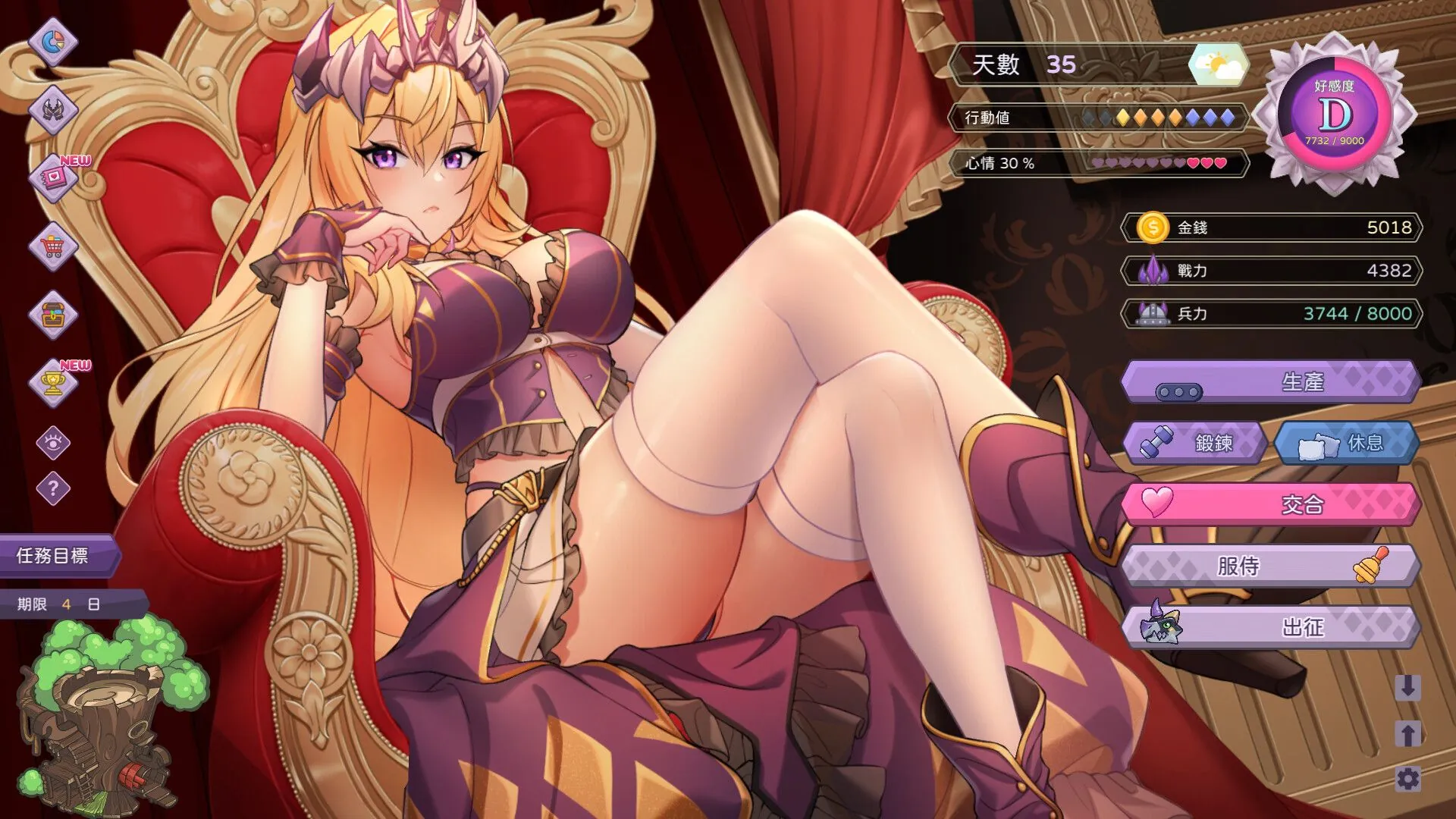
Healslut Screenshots







Healslut review
Explore the innovative healing mechanics and community-driven gameplay that define this unique gaming experience
The Healslut game represents a fascinating intersection of innovative game design and community engagement. This guide explores the core mechanics that make this game distinctive, from its unique approach to healing roles to the vibrant community that surrounds it. Whether you’re a newcomer curious about what makes this game special or an experienced player looking to deepen your understanding, this comprehensive overview covers everything you need to know about the game’s mechanics, community culture, and gameplay strategies that have made it a notable entry in modern gaming.
Understanding Healslut Game Mechanics and Core Gameplay
Ever felt like playing a support character in a game was a bit… lonely? 🤔 You’re in the back, pressing the same buttons, watching health bars, and rarely getting the glory. I know that feeling all too well from years of playing traditional MMOs. But what if your role as a healer was the star of the show? What if every decision you made, every word you spoke, directly shaped the story, your relationships, and the world around you? That’s the revolutionary heart of the Healslut game mechanics. This isn’t just about topping up hit points; it’s about weaving your support into the very fabric of a dynamic, character-driven narrative. Let’s dive in and unravel what makes this experience so uniquely captivating.
What Makes the Healing Role Unique in This Game
Forget everything you think you know about playing a support class. 🧘♀️ In most games, the healing role gameplay is transactional: see damage, apply heal, repeat. Your connection to your party is often purely functional. This game throws that handbook out the window.
Here, your healing abilities are an extension of your character’s personality and your relationships with others. It’s not just a spell; it’s a dialogue. Early in my playthrough, I was in a tough skirmish. My tank, a fiercely proud warrior named Kael, was taking a pounding. In a standard game, I’d just hit my “big heal” button. Here, I had a choice: I could channel a efficient, direct heal, or I could choose a more soothing, sustained mending that would take longer but would also calm his battle rage. I chose the latter. The combat log didn’t just say “Heal applied.” It read, “Your gentle mending cools Kael’s fury.” After the fight, he thanked me not for the numbers, but for the clarity it brought him. That moment changed how I saw every interaction.
The Healslut game features transform healing from a reactive duty into a proactive narrative tool. Your “mana” or resource isn’t just a blue bar; it’s tied to your emotional state and bonds with your companions. A strong, trusting relationship with a party member can make your heals on them more potent and less costly. Conversely, tension or conflict can make supporting that person draining. This creates a breathtakingly intimate feedback loop where character relationship mechanics are not a side activity—they are your core combat spec.
This innovative approach means you’re constantly engaged in gameplay rounds and choices, even outside of direct conversation. Deciding who to heal first in a crisis, which type of healing to use, and how to manage your emotional resources are all critical, narrative-rich decisions. You’re not just a medic; you’re a counselor, a stabilizer, and the emotional anchor of your group. This depth is what sets the Healslut game mechanics apart, making every session a deeply personal story.
Core Gameplay Systems and How They Work
At its core, the game operates on a cycle of Exploration, Interaction, and Resolution. 🔄 Think of it less like a constant dungeon crawl and more like an episodic drama where you are both star and director. Understanding these Healslut game features is key to mastering the experience.
A gameplay “round” typically begins with Exploration. You’re in the hub world—maybe a cozy guild hall or a bustling magical city. Here, you can approach your companions, each with their own moods, needs, and ongoing personal quests. This is where the foundation for everything is laid. Talking to them, choosing gifts, or offering to help with their problems builds Relationship Points (RP). These points are the currency of trust and the gateway to every piece of unlockable content in the game.
Then, a scenario triggers—a mission, a threat, or a personal request from a companion. This moves you into Interaction and Choice. This phase is the meat of the gameplay rounds and choices system. You’ll be presented with dialogue trees and action selections during events. Unlike many games where dialogue is just flavor, here, every option has weight. It might affect immediate trust, change how a future scene plays out, or even lock or unlock entire story branches.
Pro Tip: There are no “good” or “bad” choices, only your choices. The game remembers everything, so be genuine! A choice that strains a relationship now might lead to a powerful reconciliation arc later.
Let’s walk through a concrete example to see how these systems intertwine:
Step 1: The Foundation. In my first few hours, I made a point to always check in with Elara, a mage struggling with controlling her volatile powers. I consistently chose dialogue options that were patient and reassuring, earning small boosts to our Relationship Points.
Step 2: The Critical Choice. During a mission to retrieve a rare artifact, Elara’s magic begins to spiral out of control, threatening the party. The game presents a choice:
* A. Command her to get a grip! (Assertive)
* B. Risk yourself to physically stabilize her channeling. (Protective/Sacrificial)
* C. Use your own healing energy to gently diffuse her magic. (Empathetic)
Step 3: The Ripple Effect. Based on my previous interactions, I chose C, the empathetic option. This cost me a chunk of my own “resolve” resource but was perfectly aligned with our established relationship. The result wasn’t just a successful stabilization. It triggered a unique cutscene later that evening where Elara, touched by my understanding, opened up about her past fears—a scene I later learned is only unlocked by reaching a certain RP threshold and making that specific choice. This scene, in turn, permanently unlocked a new, more powerful collaborative healing ability for us to use in future combat.
This example shows how the Healslut game mechanics create a living story. Your early gameplay rounds and choices set the stage, and pivotal decisions act as keys, unlocking deeper layers of the character relationship mechanics and, consequently, new Healslut game features like dual abilities or unique scenes.
Progression and Unlockable Content
If the core gameplay is the journey, the game progression system is your personal map and trophy case. 🗺️🏆 This isn’t about grinding to a higher level for a stat increase; it’s about deepening bonds and discovering the narrative riches hidden within them. Progression is dual-faceted: your personal growth and the evolution of your relationships.
Your personal growth is measured in “Insight,” earned by completing scenarios and making significant choices. Gaining Insight allows you to unlock broader capabilities, like new schools of healing magic (e.g., preventative wards, restorative aura therapy) or social talents that give you more nuanced dialogue options. It’s about expanding your potential as a healer and a friend.
The true heart of the game progression system, however, is relational. Each major companion has a Relationship Level, from Acquaintance to Confidant to Soulbond. Advancing these levels requires meeting specific RP thresholds and often making key story choices that demonstrate your understanding of that character. This is where an unlockable content guide becomes invaluable for players who want to see everything the game has to offer.
Each relationship level unlocks layers of content:
* New, intimate story scenes and private conversations.
* Unique cooperative abilities that can be used in scenario resolutions.
* Personal questlines that delve into the companion’s backstory.
* Customizable elements for your shared spaces, reflecting your growing bond.
* Special “Resolution” scenes that provide emotional closure or new beginnings for character arcs.
To help you navigate this rich web of connections, here’s a breakdown of some key companions and what your dedication to the healing role gameplay can unlock with them:
| Companion | Core Personality | Key Relationship Milestones & RP Requirements | Associated Unlockable Content |
|---|---|---|---|
| Kael (The Stoic Tank) | Proud, duty-bound, secretly vulnerable. | Trust Unveiled (50 RP) – Requires choosing supportive over commanding choices in his personal quest. Shared Burden (120 RP) – Must have successfully helped him resolve a major failure. |
“Bastion’s Aegis” dual ability (you channel a heal through his shield). Private sparring session scene. Access to his family crest for your quarters. |
| Elara (The Volatile Mage) | Brilliant, anxious, fearful of her own power. | Calm Center (40 RP) – Built through consistent patient dialogue. Unified Spirit (110 RP) – Requires the “empathetic” choice during her magic surge event. |
“Arcane Harmony” channeled heal that also buffs her spell power. Midnight astronomy scene. Unlock her personal sanctum as a rest location. |
| Finn (The Cunning Scout) | Witty, independent, avoids emotional attachment. | Reliable Ally (60 RP) – Earned by not prying into his past early on. Unexpected Vulnerability (130 RP) – Requires saving him using a non-flashy, practical heal in a critical moment. |
“Shadow Meld” ability providing mutual stealth. A humorous, bonding scene during a city festival. A unique, joking nickname only he uses for you. |
This unlockable content guide illustrates that progression is never just a number going up. It’s the tangible, playable result of the bonds you’ve nurtured through your healing role gameplay. You’re not unlocking a skill from a menu; you’re unlocking a moment of profound character realization that then gives you a new tool. The game progression system and the character relationship mechanics are one and the same.
Ultimately, mastering the Healslut game mechanics is about embracing a new philosophy of play. It’s understanding that your power comes from connection, that your choices are the architects of your experience, and that the most rewarding content is earned through empathy, not just exertion. From the intimate tension of gameplay rounds and choices to the joyful discovery outlined in any unlockable content guide, every system is designed to make you feel like the essential, emotional core of a living world. So, step into the role, listen to your companions, and let your unique approach to healing role gameplay write a story that only you could tell. Your journey through these deep and innovative Healslut game features awaits.
The Healslut game stands out as a distinctive gaming experience that combines innovative mechanics with meaningful community engagement. From its unique approach to healing roles to the vibrant discussions that surround it, the game has created a space where players can engage with both compelling gameplay and thoughtful exploration of character dynamics. The community that has grown around this game demonstrates how modern gaming can foster inclusive spaces for diverse player experiences. Whether you’re drawn to the gameplay mechanics, the narrative elements, or the community aspects, understanding these core elements will enhance your appreciation of what makes this game significant in contemporary gaming culture. Dive into the community, explore the mechanics, and discover why this game continues to resonate with its dedicated player base.