
Grandma’s House
Play Grandma’s House
Grandma’s House Screenshots







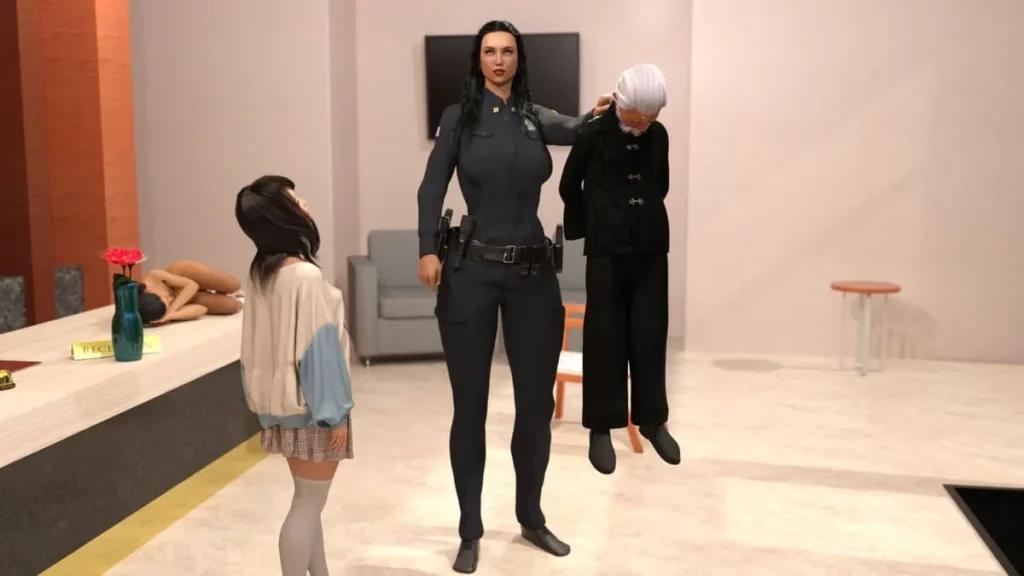


















Grandma’s House review
Master the narrative choices, character relationships, and story paths in this indie adventure
Grandma’s House is a narrative-driven indie game developed by MoonBox Games that focuses on character development and meaningful choices. The game emphasizes relationship building over rushed interactions, allowing players to experience authentic character arcs and emotional depth. Whether you’re new to the game or looking to optimize your playthrough, understanding the core mechanics and character dynamics is essential. This guide covers everything you need to know about navigating the game’s complex narrative structure, making impactful decisions, and building lasting relationships with the diverse cast of characters.
Understanding the Narrative Structure and Character Development
Let me tell you a story about my first playthrough of Grandma’s House. I walked in, met this lovely character named Allie, and within the first few in-game days, I tried to be the perfect grandchild. I agreed with everything, offered help constantly, and basically tried to fast-track our bond. Big mistake. 🙈 By the time I reached the later events of Part 1, she was distant, skeptical of my motives, and a key story path I wanted was completely locked off. I had treated the Grandma’s House game narrative like a checklist, and the game punished me for it. That’s when I realized this wasn’t a typical visual novel; it was a masterclass in patience.
The heart of Grandma’s House isn’t about reaching endings quickly—it’s about the journey of connection. The character relationship building mechanics are a delicate ecosystem. This chapter is your guide to understanding that system, helping you nurture authentic bonds that pay off across the game’s evolving story.
How the Game Prioritizes Relationship Building Over Quick Outcomes
Forget everything you know about romance or friendship points in other games. 😤 The core philosophy here is authenticity over acceleration. Developer Siren Domino has crafted a world where characters have memory, agency, and emotional depth. They react not just to what you choose, but to when you choose it and the pattern of your behavior.
Think of it like building a real friendship. You wouldn’t confess your deepest secrets or make grand declarations to someone you met last week; it would feel weird and forced. Grandma’s House simulates that social intuition. Characters like Allie (your nana) and Polly have deeply ingrained personalities and past experiences. Pushing for rapid intimacy—constantly flirting, demanding personal information, or always choosing the most agreeable option—doesn’t earn you trust. It raises red flags.
Pro Tip: If a dialogue option feels like it’s “skipping ahead” in a relationship, it probably is. The game rewards consistency and respect over grand gestures.
This design is reflected in the game’s own Grandma’s House story progression. The narrative unfolds across multiple, substantial updates (like Part 1 v0.41, Part 3 v0.16, Part 4 v0.68), each introducing new layers to existing characters and bringing new faces into the fold, like Sandra and Karen. This episodic structure isn’t just about adding content; it reinforces the need for gradual development. You’re meant to spend real time across multiple game sessions, letting relationships breathe and grow naturally between major story beats.
The character trust system is mostly invisible, but its effects are everywhere. It’s a web of flags and variables that track not just how much a character likes you, but how they’ve come to like you. Did you build rapport through shared activities and light conversation first? Or did you immediately zero in on a single romantic or dramatic outcome? The game knows, and the long-term relationship outcomes will branch dramatically based on that foundation.
Character Arcs and Long-Term Relationship Consequences
This is where Grandma’s House character arcs truly shine. Each character has a predefined emotional and narrative journey, but your influence determines its trajectory. They aren’t static dolls waiting for your input; they are individuals with their own pacing.
Rushing a relationship might get you a short-term “win,” like a romantic scene, but it can poison the well for future updates. I learned this the hard way with Polly. In one playthrough, I focused all my energy on her, using every opportunity to get closer. It worked—initially. But in a later part, she became clingy, insecure, and her story branched into a conflict-heavy path where she doubted my every interaction with other characters. Her arc became about dependency, not partnership. In another, slower playthrough where I balanced my time and let her set the pace, her arc evolved into one of mutual support and independent growth. The same character, two completely different stories, all based on the speed and method of my approach.
Not all characters move at the same speed, however. Your strategic approach must be flexible. This table breaks down the key personalities and how to navigate their unique rhythms across the game’s versions.
| Character | Relationship Progression Speed | Trust Requirements & Key Notes | Story Availability |
|---|---|---|---|
| Allie (Nana) | Very Slow & Steady | Highest trust requirements. Values consistency, helpfulness without being asked, and genuine family bonding over forced intimacy. Rushing causes major rebellion later. | Core character from Part 1 v0.16 onwards. Arc develops through all major updates. |
| Polly | Slow to Medium | Seeks emotional safety and reliability. Trust is built through shared quiet moments and demonstrating loyalty over time. Push too hard, and she becomes insecure. | Introduced in Part 1. Major focus in early parts, with evolving role in later updates. |
| Veena | Medium | Confident and direct. Appreciates honesty and can handle a more forward approach, but still respects boundaries. Trust is built through engaging with her passions and intellect. | Present from Part 1. Her professional and personal storylines expand significantly in Part 3 & 4. |
| Sandra | Medium to Fast | Outgoing and socially driven. Responds well to active engagement, humor, and participation in group events. Her trust is more openly earned but can be shallow if not deepened with meaningful one-on-one time. | Introduced in Part 3 v0.16. Becomes a central social hub in later versions. |
| Karen | Variable (Context-Dependent) | The most complex. Her trust is situational. Can progress quickly if you align with her current goals or mindset, but these alliances can be volatile. Long-term trust requires navigating her contradictions. | Becomes prominent in Part 4 v0.68. Her arc is deeply tied to major narrative secrets. |
This variety means your decision points and consequences aren’t just about picking right or wrong answers. They’re about reading the person in front of you and choosing an action that aligns with where they are emotionally. Investing time in Sandra’s lively parties might quickly integrate you into the social circle, but skipping those to have a second quiet tea with Allie could be the specific investment that unlocks a crucial, heartwarming confession from her later on.
Decision Points and Their Impact on Story Progression
So, how do you navigate this web of relationships? Every conversation is a potential decision point. The game masterfully layers these choices, where a seemingly minor comment in Part 1 can be referenced in Part 4. Your Grandma’s House story progression is a tapestry woven from hundreds of these threads.
1. The Cumulative Effect of Small Choices:
It’s rarely one big decision that locks a path. It’s the pattern. Did you always choose the flirt option with Veena every time it appeared? The game may interpret that as you having a singular romantic focus, which can close off deeper friendship paths with her or make other characters perceive you as unavailable. Sometimes, the most powerful choice is the neutral or friendly one, because it keeps multiple avenues open. This is the essence of character relationship building mechanics—it’s a strategic game of emotional investment.
2. Decision Timing is a Hidden Variable:
This is the genius of the system. An option to comfort a character after a difficult event is golden. The exact same comforting words, offered out of the blue when they’re in a good mood, might be seen as intrusive or strange. You have to practice emotional timing. Pay attention to the context of the scene, the character’s mood (shown through their dialogue and sprite expressions), and the broader events of the story.
3. Balancing the Social Web:
Your choices with one character affect your standing with others. 😲 The characters talk to each other! Expressing strong dislike for Karen to Sandra might earn you short-term points with Sandra, but if Sandra and Karen later reconcile, you’re remembered as the person who was harsh. Similarly, spreading your time too thinly can make you seem disinterested to slower-paced characters like Polly. You must manage your social capital across the entire cast, which becomes increasingly complex as the cast grows with each update.
4. Embracing Failure as Narrative:
A “failed” choice that lowers trust or closes a path isn’t a bug; it’s a branch. Some of the most interesting Grandma’s House character arcs come from repairing a damaged relationship or exploring a story path where you’ve burned a bridge. The narrative doesn’t end; it diverts. This philosophy encourages replayability, as you explore how different relationship dynamics alter the tone and available long-term relationship outcomes of the main plot.
Practical Strategy for Players:
* First Playthrough: Go Blind & Authentic. Play as yourself. React naturally. See where your instincts lead. This gives you a true baseline.
* Second Playthrough: Focus on a Single Arc. Pick one character (e.g., Allie). Make every choice with the goal of building the most stable, trusting version of that relationship. Note the key decision points and consequences.
* Subsequent Plays: Experiment with Extremes. Try a “people-pleaser” run where you agree with everyone, or a “loner” run where you focus on yourself. These highlight the boundaries of the system and unlock unique dialogue.
FAQ: Navigating Relationship Mechanics in Grandma’s House
Q: Why won’t character X progress? I’ve been nice to them for ages!
A: This is the most common hurdle. “Being nice” is often not enough. Each character has specific emotional needs. Allie might need to see you taking initiative with chores without being asked. Polly might need you to share a vulnerable moment of your own before she opens up. Review the character table above. Are you engaging with their specific interests? Are you offering support in the way they need, not the way you assume? The block is likely a missing piece of specific trust-building, not a lack of positive interactions.
Q: What happens if I rush relationships? Is it always bad?
A: It’s not “bad” in the sense of breaking the game, but it fundamentally alters narrative outcomes. Rushing typically leads to:
* Insecure/Unstable Relationships: The character’s later arc becomes dominated by doubt, jealousy, or neediness.
* Locked Content: You may reach an intimacy plateau sooner and miss deeper, later-game story scenes that require a foundation of slow-built trust.
* Negative Social Perception: Other characters may label you as impulsive or insincere, closing off their own paths.
For some characters with “Medium to Fast” pacing, a more direct approach can work, but even then, there’s a difference between being confidently interested and being pushy.
Q: Can I max out everyone’s relationships in one playthrough?
A: Realistically, no—and that’s by design. The game’s social system forces trade-offs. Time spent with one character is time not spent with another. Some character paths are mutually exclusive by nature of their personalities and the story’s conflicts. The game encourages you to live with your choices and experience the unique story that creates, rather than chasing a “perfect” completionist run. This makes every player’s journey through the Grandma’s House game narrative uniquely personal.
Q: How do the different game Parts (1, 3, 4) affect my existing relationships?
A: Think of each major Part as a new chapter in your ongoing story. Relationships you’ve built are carried forward. A strong bond with Veena in Part 1 will give you a different starting point with her in Part 3. However, new characters (like Sandra, Karen) enter the scene, and life events occur that test existing bonds. A relationship that felt solid might face new challenges. The episodic Grandma’s House story progression means you must continue to nurture and adapt your connections; they are never “finished” or safe from consequence.
Mastering Grandma’s House isn’t about finding a walkthrough for every choice. It’s about learning to listen, to be patient, and to understand that the richest long-term relationship outcomes are grown, not grabbed. It’s a game that rewards emotional intelligence, making your eventual breakthroughs feel genuinely earned and deeply impactful on the story’s world. Now go pour some tea, sit on the porch, and just talk. The best paths reveal themselves in time. ☕️✨
Grandma’s House stands out in the indie game landscape for its commitment to meaningful character development and authentic relationship progression. The game’s design philosophy prioritizes emotional depth over instant gratification, rewarding players who invest time in understanding each character’s unique personality and needs. By recognizing that different characters require different pacing and trust-building approaches, you can craft a more satisfying and emotionally resonant experience. Whether you’re exploring the game for the first time or optimizing a subsequent playthrough, remember that the most rewarding moments come from patience and genuine character investment. Take your time with the narrative, make thoughtful choices, and discover how your decisions shape the interconnected stories within this richly detailed world.