
Corruption
Play Corruption
Corruption Screenshots









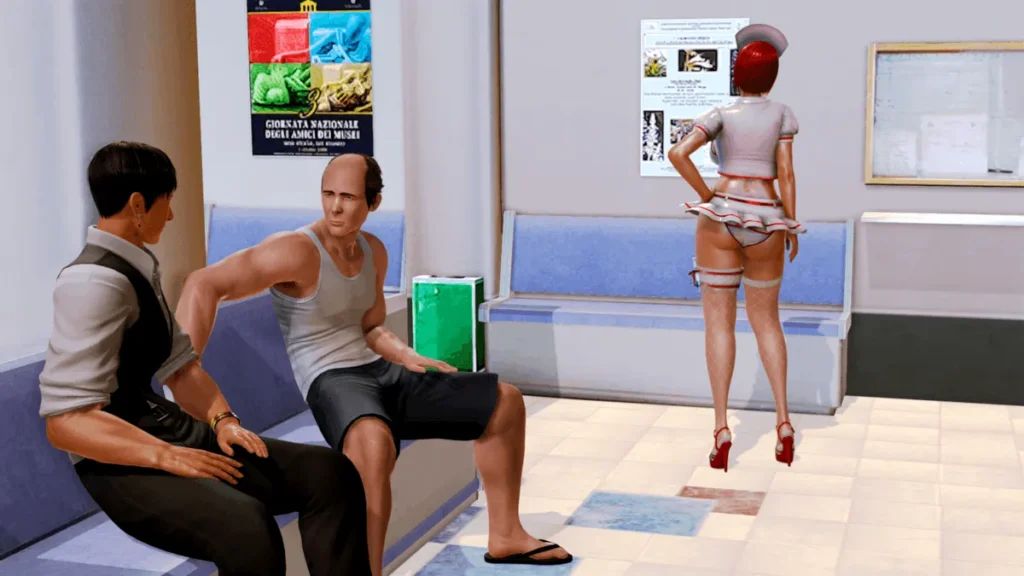

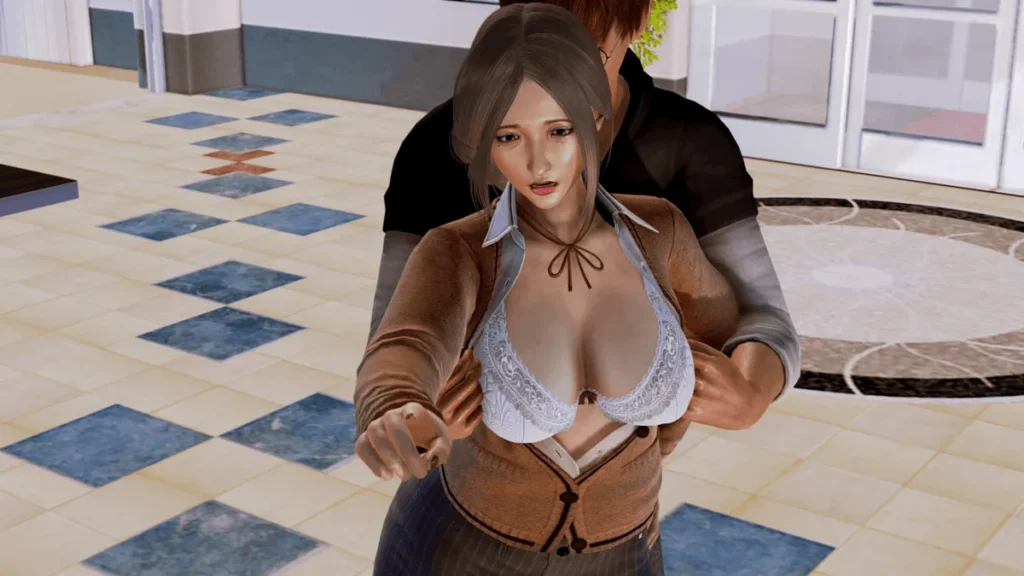

Corruption review
Master every character path, unlock all features, and progress through the game efficiently
The Corruption game offers multiple branching storylines and character paths that can be challenging to navigate without proper guidance. Whether you’re pursuing character relationships, unlocking special features, or discovering hidden content, understanding the game’s mechanics and progression systems is essential. This comprehensive guide covers everything you need to know about advancing through the game, managing character interactions, and maximizing your gameplay experience. From initial setup to advanced strategies, we’ll walk you through the key systems that make this game engaging and complex.
Character Progression Paths: Navigating Relationships and Choices
Ever feel like you’re just clicking through scenes in Corruption, watching other players unlock wild content while your own saves are stuck in a frustrating loop? 🙄 You’re not alone. I spent my first playthrough utterly confused, bouncing between characters and getting nowhere, totally missing how the game’s brilliant character progression paths actually work. It wasn’t until I ruined a potential route with Mia by making one wrong choice that I realized: this game isn’t about brute force; it’s about precise, informed strategy. Lucky for you, I’ve made all the mistakes so you don’t have to. This guide will break down the elegant, sometimes tricky systems that govern every interaction, so you can master every route with confidence. Let’s dive in.
Understanding Dual Path Systems: Love vs. Relationship Mechanics
At the very heart of Corruption‘s storytelling is its ingenious dual-path system. Think of it as a fork in the road that appears deceptively late in your journey with a character. 🚦 Initially, you’ll share moments and build a connection, but soon you must consciously choose the nature of that bond. This is the critical choice between the love path vs relationship path.
So, what’s the difference? It’s all about intent and depth.
The Love Path is the traditional, deeper connection route. It’s built on trust, affection, and emotional investment. Pursuing this path means choosing dialogue options that are supportive, kind, and romantic. Your goal here is to build a genuine bond. The relationship points system tracks this with positive numbers, and you’ll often need to reach high thresholds (like 50+ points) to unlock key romantic milestones.
The Relationship Path (often associated with more corrupting or transactional dynamics) is different. It focuses on influence, control, and different kinds of gratification. Choices here are more manipulative, dominant, or geared towards breaking down barriers for personal gain. The game often visually cues this path with red relationship points, indicating a low or negative score in the traditional “affection” metric, but high progression in this alternative track.
Pro Tip from My Playbook: Early on, you can often earn points for both tracks. Don’t panic! The game is letting you feel out the character. The real lock-in happens later with specific, defining choices. I learned this the hard way with Alexis; I thought I was being “nice,” but my earlier choice to peek at her phone subtly pushed me onto a path I didn’t intend. Always save before major story decisions!
Your key to managing this is the character menu. Watch those point counters like a hawk. 🦅 Are you building a high, positive number for love? Or is the number dipping low or negative, signaling you’re on the other track? This relationship points system is your literal roadmap, so check it often.
Character-Specific Progression Requirements and Milestones
This is where many players get lost. Each character in Corruption operates on her own unique clock and map. You can’t treat Nicole the same way you treat Megan. Their lives, schedules, and hearts follow different rules. Understanding these game character requirements is non-negotiable for efficient progression.
General progression milestones follow a pattern: Initial Encounter -> Daily Interactions -> Favor/Point Threshold Reached -> Location-Specific Event -> Path Choice -> Finale. But the devil is in the details. Daily interactions unlock new dialogue and opportunities, but only if you meet the prerequisites. You might need a certain outfit, a minimum point score, or to have visited a specific location first.
For example, trying to trigger Megan’s library scene without first helping her in the park is like knocking on a locked door without a key. 🗝️ The game won’t tell you the key exists; you have to find it through exploration and meeting those hidden game character requirements.
Let’s look at some specific examples to make these character progression paths clear. The table below breaks down the vital stats for advancing with three central characters.
| Character | Key Location | Time Requirement | Point Threshold (Example) | Unlock Condition / Milestone |
|---|---|---|---|---|
| Nicole (Mom) | Home – Living Room | Evening (After 7 PM) | 30+ Relationship (Red Path) OR 50+ Love (Love Path) |
Must have completed the “Household Stress” conversation and optionally purchased the first outfit gift. |
| Alexis (Landlady) | Apartment Building – Hallway | Morning (Before 10 AM) | 40+ of either path | Must have interacted at least 5 times and paid rent late once to trigger the confrontation event. |
| Megan (Student) | College – Library | Afternoon (1 PM – 4 PM) | 25+ Love Points | Requires “Tutor” status achieved by helping her in the park twice. The “Classic Glasses” outfit gift can unlock special dialogue here. |
Nicole’s Path: She’s a classic example of the dual-path system. Early conversations about work stress are universal. But when she confides about her personal life, your choice is pivotal. Offering a supportive shoulder leads to the Love Path, requiring high love points for intimate moments. 😊 Suggesting a “drink to forget” leads down the Relationship Path, where control and corruption escalate faster, tracked by those red points. A major progression milestone is gifting her the “Elegant Night” outfit, which unlocks entirely new evening scenes at home, but only if your path points are high enough.
Alexis’s Path: Her route is deeply tied to your financial actions. Being a perfect tenant gets you nowhere. 😅 You need to be slightly troublesome to get her attention! A late rent payment triggers her initial hallway confrontation, a crucial daily interaction unlock. From there, your dialogue steers her. Appealing to her sense of duty and offering to work it off leans Love. Being defiant and teasing leans Relationship. A key game character requirement is accessing her apartment, which only happens after a series of hallway chats with increasing point scores.
Megan’s Path: Purity and patience are key. Her character progression path is slow-burn. You must encounter her in the park multiple times to establish the “Tutor” dynamic—this is a hard gate. Without it, the library and other locations won’t offer progression scenes. Her Love Path is about genuine academic help and emotional support. The other path involves exploiting her insecurities. Gifting her the “School Uniform Plus” outfit too early (before sufficient love points) can actually backfire and stall progress, a mistake I made in my first run!
Managing Points and Outfit Systems for Advanced Interactions
Now, let’s talk about your two most powerful tools: the point economy and the character outfit system. This is where strategy separates the beginners from the masters.
The relationship points system is your scoreboard, but it’s also a warning system. Seeing points dip into the red isn’t necessarily “bad”—it’s just clear feedback that you’re on the alternative track. The key is consistency. Bouncing between loving and manipulative choices will leave you stranded in a middle zone, unable to trigger the next major progression milestone on either path. Commit to a direction.
The character outfit system is more than just cosmetic. It’s a progression gate and an interaction key. 🛍️ Outfits are typically purchased from the in-game store and then gifted to specific characters. However, gifting an outfit is useless if the character isn’t ready to receive it.
Golden Rule: An outfit is a key, not a starter. You must first reach a certain level of rapport (indicated by point thresholds) before the character will accept or wear the gifted outfit. Once equipped, that outfit then unlocks new scenes, dialogues, and locations specifically designed for it. For instance, gifting Nicole a sporty outfit might unlock new morning interactions at the local gym, a location otherwise irrelevant to her.
Here’s how to integrate both systems:
1. Check Points First: Before any major play session, open the character menu. What are your current Love or Relationship scores?
2. Review Milestone Needs: Consult a guide (like this one!) or your notes. What is the next target? Do you need 50 Love Points? Or do you need to trigger a red-point event?
3. Plan Your Gifts: Only buy and gift an outfit when you know it unlocks the next scene on your chosen path. Wasting money sets you back.
4. Sequence Your Daily Interactions: Most daily interactions unlock based on a sequence. Did you see Character A at the cafe? If yes, then tomorrow you can see them at the shop. It’s a chain. Keep a simple log.
Managing this well is your progression milestones guide in action. It turns a confusing web of possibilities into a clear, step-by-step walkthrough. Remember, some choices are irreversible and will lock other paths. It’s strongly advised to complete one full character progression path per playthrough, using multiple saves to branch off and explore the love path vs relationship path alternatives later. 🎮
FAQ: Your Corruption Progression Questions, Answered
Q: I gifted an outfit but nothing changed. Did I break the game?
A: Almost certainly not! This is the most common hiccup. The outfit is likely a key for a future progression milestone. You’ve given her the key, but you haven’t yet reached the door it opens. Keep building points through daily interactions, and a new option will appear when you meet the right game character requirements.
Q: My relationship points are in the red, but I want to switch to the Love Path. Can I recover?
A: It depends on how far you are. Early on, you can often course-correct with a long string of consistent loving choices to raise your love points out of the negative. However, after certain key story events (like a major confrontation or intimate scene), the game often “locks” you onto your current character progression path. If you’re locked, you’ll need to reload an earlier save.
Q: How do I access all routes for one character in a single playthrough?
A: You can’t, and that’s by design. A core theme of Corruption is consequence and choice. The love path vs relationship path are mutually exclusive in their endgames. To see everything, you must use multiple save files. Save before major decisions flagged with a “This choice will affect your relationship” warning. This lets you branch your playthrough without starting from zero.
Q: Is there a “best” order to complete character paths?
A: From a story perspective, no. But from a logistical and resource standpoint, yes. I recommend starting with characters whose early-game locations overlap (like Megan and someone else at the college). This lets you efficiently manage your in-game time and money early on. Also, completing a shorter path first (like Alexis’s) can give you a surplus of in-game cash to fund outfit purchases for more expensive routes like Nicole’s.
Mastering the Corruption game requires understanding its interconnected systems of character progression, resource management, and strategic decision-making. By following the recommended character progression order, carefully managing your choices, and understanding the consequences of irreversible actions, you can experience the full depth of what the game offers. The key to success is planning ahead, completing all available routes before making permanent decisions, and recognizing the points of no return that define your playthrough. Whether you’re pursuing specific character paths or aiming to unlock all content, the strategies and guidance provided here will help you navigate the game’s complexity and maximize your enjoyment. Take your time with each character, explore all available interactions, and remember that the order in which you progress through characters significantly impacts your overall experience.