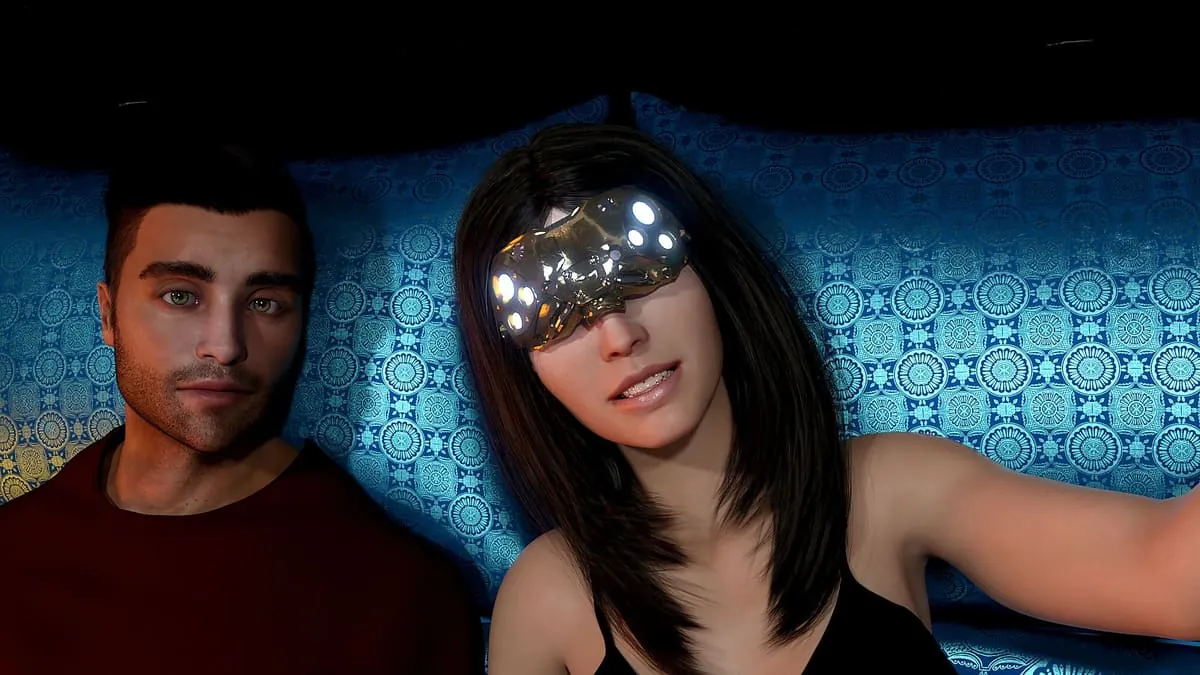
Artemis
Play Artemis
Artemis Screenshots































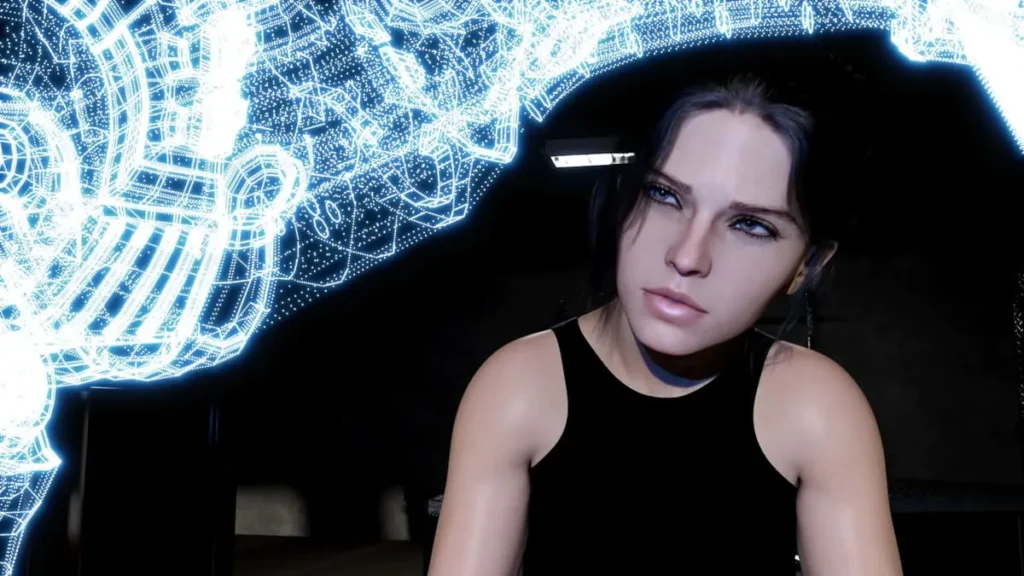


Artemis review
A deep dive into the story, choices, and characters of Artemis
Artemis is a standout adult visual novel that blends emotional storytelling, dynamic choices, and memorable characters. Set in a world where recovery and connection are central themes, Artemis invites players to explore relationships, make impactful decisions, and experience a journey that feels both personal and immersive. Whether you’re drawn to the game for its narrative depth, character development, or adult content, Artemis offers a unique experience that keeps players coming back for more. This article will guide you through what makes Artemis special, how your choices shape the story, and what you can expect from this acclaimed visual novel.
What Makes Artemis Stand Out?
Let’s be honest, the world of adult visual novels can feel pretty samey sometimes. 😴 You know the drill: a thin premise, characters that are more like checklists of tropes, and choices that don’t really change anything. I’ve clicked through my share of them, often feeling like I was just going through the motions for a quick payoff. Then I found Artemis, and let me tell you, it was like walking out of a fast-food joint and into a five-star restaurant. 🍽️✨ The entire Artemis experience is built on a foundation so much stronger and more compelling than its peers.
So, what’s the secret sauce? It’s not one thing, but a powerful fusion of a gripping Artemis narrative, deeply human Artemis characters, and Artemis gameplay that actually respects your intelligence. This isn’t just a game you play; it’s a story you live and shape.
Story and Setting
Forget the stereotypical setups. The Artemis story begins with a moment of profound loss. You play as a once-promising robotics engineer whose life and career have been derailed by a personal tragedy. The opening scenes don’t shy away from that raw, hungover-on-life feeling—the kind where even getting out of bed feels like a marathon. Your old friend, Juno, throws you a lifeline: a job and a place to stay at her tech startup, Artemis.
This isn’t just a backdrop; it’s the soul of the game. Artemis, the company, becomes your sanctuary and your challenge. Your journey is one of recovery and reconnection. As you fix broken robots (both literally and metaphorically), you also begin to repair your own broken spirit and rebuild relationships. The setting—a blend of high-tech labs and lived-in apartments—feels authentic. It’s a world where advanced AI exists alongside very human problems like rent, regret, and rusted dreams.
The brilliance of this premise is how it integrates every element. Your engineering work isn’t a mini-game distraction; it’s directly tied to your growth and your interactions with others. The Artemis story makes you feel the weight of your past and the tentative hope of your future. It’s this emotional authenticity that had me hooked from the first chapter, investing in the protagonist’s comeback story as if it were my own. 🛠️➡️❤️
Character Development
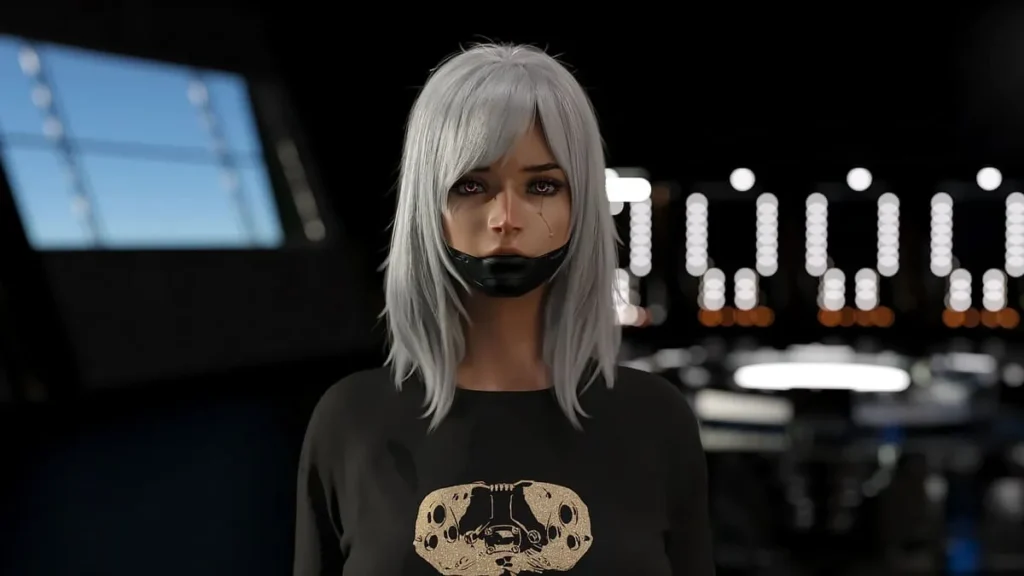
If the story is the skeleton, the Artemis characters are the beating heart. These are not mere romantic targets; they are fully realized people with their own histories, insecurities, and ambitions that exist outside of you.
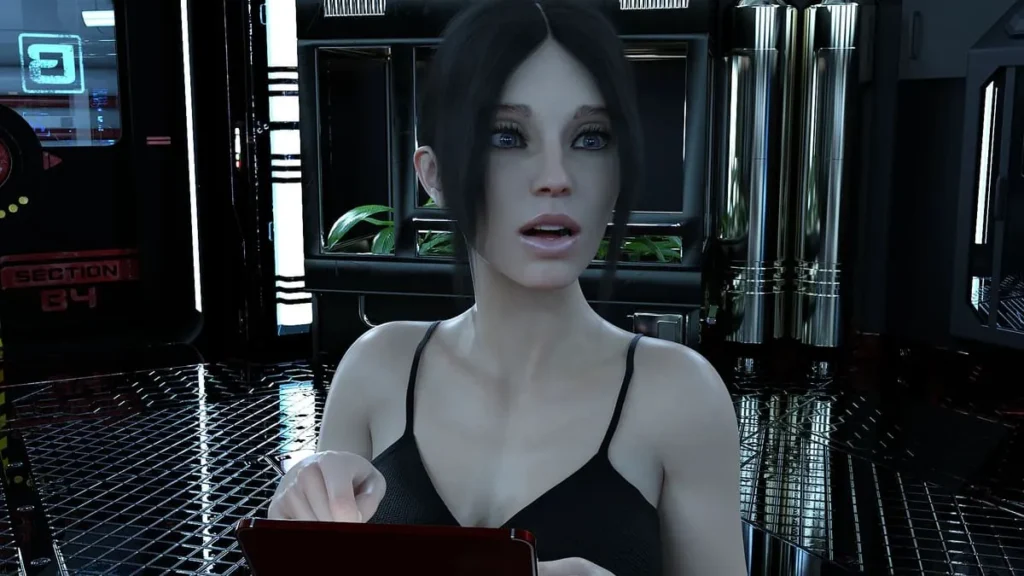
Take Kindra, your brilliant and driven colleague. On the surface, she’s the confident tech genius. But as you get to know her, layers peel back to reveal a woman grappling with immense pressure, familial expectations, and a vulnerability she rarely shows. Your choices with her aren’t just about “romance points”; they’re about building trust, offering support, and understanding her world. Helping her through a crisis at work or sharing a quiet moment feels earned and significant.
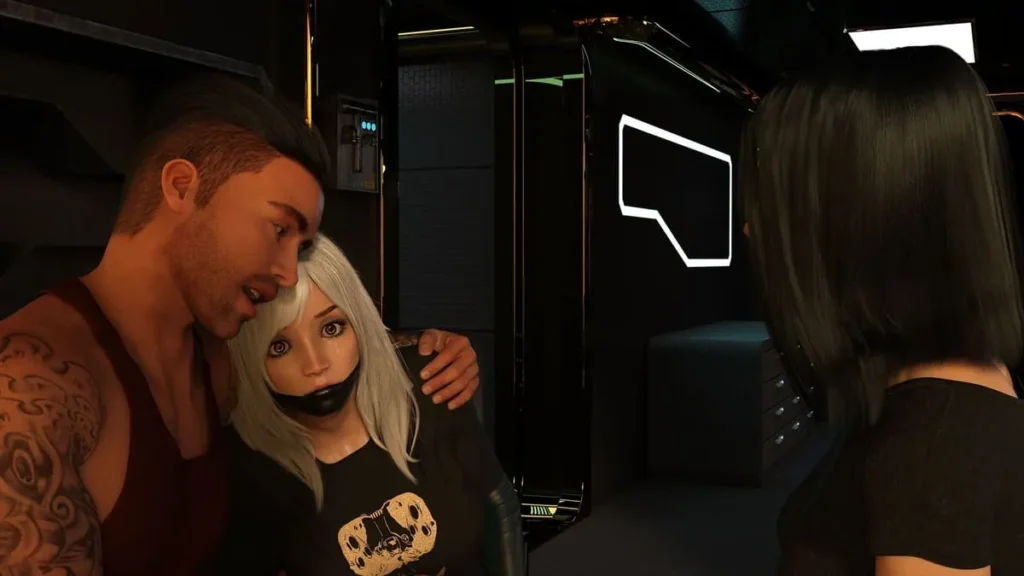
And Kindra is just one example. Every character you meet, from your fiercely loyal friend Juno to the more enigmatic figures you encounter, is written with similar depth. Your interactions shape not just your relationship status, but who these people become and how their own stories unfold. The writing gives them space to breathe, to have conversations that aren’t about you, and to grow independently. This creates a powerful illusion of life—you’re not the center of the universe, but a part of it.
“I came for the visuals, but I stayed for the people. I found myself actually caring about Kindra’s career stress and Juno’s struggles as a CEO. It’s rare to find characters in this genre that feel this real.” – A fellow player’s review that perfectly captures the sentiment.
The Artemis characters are elevated further by the game’s stunning Artemis visuals. The art style is clean and expressive, capturing subtle emotions in a glance or a smile. But where it truly shines is in its animation. A nervous hand gesture, a tired sigh, a genuine laugh—these small, fluid movements add a layer of realism that static images never could. It makes every conversation dynamic and emotionally resonant. 🎨✨
Gameplay and Choices
This is where many games stumble, but Artemis soars. The core Artemis gameplay loop is elegantly simple: explore, talk, and make decisions. But the devil—and the genius—is in the details. Your Artemis choices carry tangible weight. We’re not talking about an obvious “Good / Bad / Horny” dialogue wheel. The decisions are often nuanced, reflecting real social and ethical dilemmas.
Do you push a friend to confront a painful truth, or let them avoid it for now? Do you invest company resources in a passion project or the safe, profitable option? These choices ripple outwards. They alter character paths, unlock or close off entire story branches, and change how people perceive and interact with you. I replayed a chapter three times just to see how a single different response to Kindra would alter the trajectory of our relationship, and each path felt uniquely valid.
This creates a fantastically reactive Artemis narrative. The game remembers everything, from major plot decisions to seemingly offhand comments. You’ll see callbacks episodes later, making your playthrough feel truly personal. It’s this commitment to consequential storytelling that defines the Artemis experience. You are an active author, not a passive spectator.
To really see how Artemis raises the bar, let’s break it down side-by-side with more conventional titles.
| Feature | Typical Adult Visual Novel | Artemis |
|---|---|---|
| Story Depth | Often a simple premise to facilitate romantic encounters. | A rich, character-driven narrative about recovery, technology, and human connection. |
| Character Development | Characters are frequently defined by archetypes (e.g., the tsundere, the shy one). | Characters are complex individuals with independent goals, growth arcs, and believable flaws. |
| Gameplay Choices | Choices may lead to different romantic scenes but rarely impact the overall plot. | Choices have meaningful, long-term consequences on relationships, story progression, and multiple endings. |
In the end, what makes Artemis stand out is its courageous commitment to being more than the sum of its parts. It trusts its audience to want a compelling Artemis story, to care about its Artemis characters, and to appreciate Artemis gameplay where Artemis choices actually matter. It’s a deeply satisfying, emotionally engaging journey that redefines what an adult visual novel can be. If you’re looking for an experience with soul, where every decision feels impactful and every connection feels earned, your search ends here. 🚀
Artemis is more than just an adult visual novel—it’s a journey of recovery, connection, and self-discovery. With its compelling story, well-developed characters, and meaningful choices, Artemis offers an experience that resonates long after the game ends. Whether you’re drawn to the emotional narrative, the dynamic relationships, or the immersive gameplay, Artemis stands out as a must-play for fans of the genre. Dive into the world of Artemis and discover what makes it a truly unique and memorable experience.